











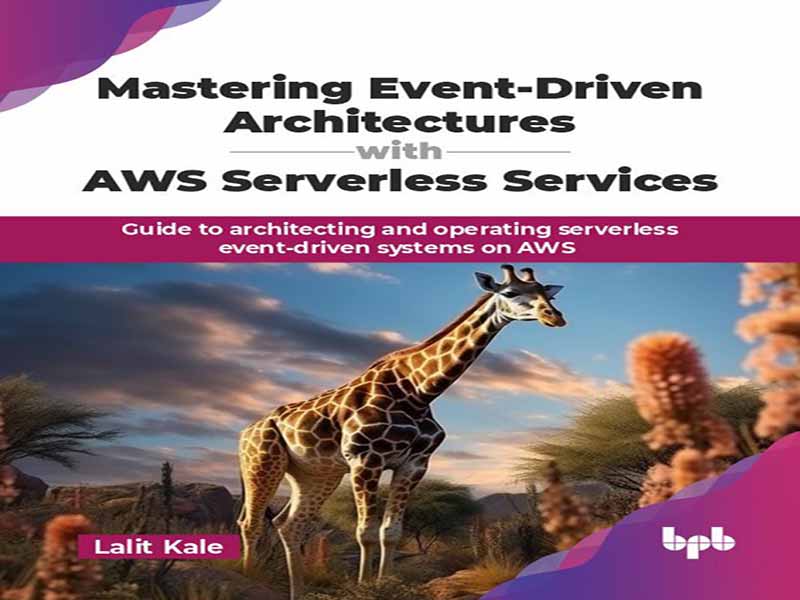
- عنوان کتاب: Mastering Event-Driven Architectures with AWS Serverless Services
- نویسنده: Lalit Kale
- حوزه: برنامهنویسی رویداد محور
- سال انتشار: 2026
- تعداد صفحه: 555
- زبان اصلی: انگلیسی
- نوع فایل: pdf
- حجم فایل: 6.26 مگابایت
اگر به ارائهدهندگان پیشرو ابری امروزی، مانند AWS، Azure، GCP یا Oracle Cloud یا پلتفرمهای جدید هوش مصنوعی مانند OpenAI نگاه کنید، از مقیاسپذیری مطلق سیستمهای زیربنایی آنها شگفتزده خواهید شد. اگر عمیقتر بررسی کنید، متوجه خواهید شد که این سیستمهای فوقالعاده مقیاسپذیر و کارآمد با معماری رویدادمحور (EDA) ساخته شدهاند. EDA به محور اصلی نحوه طراحی، ساخت و عملکرد برنامههای مدرن تبدیل شده است. سازمانها با در نظر گرفتن رویدادها به عنوان شهروندان درجه یک، توانایی ساخت سیستمهایی را به دست میآورند که به صورت انعطافپذیر مقیاسپذیر هستند، در زمان واقعی پاسخ میدهند و با تغییرات سازگار میشوند. AWS پیشگام محاسبات بدون سرور است. خدمات بدون سرور AWS مانند Lambda و دیگران، یک مدل بسیار سودآور pay-as-you-go و مهمتر از همه، فرصتی عالی برای تیمهای کوچکتر و شرکتهای در حال رشد فراهم میکنند تا با تمرکز بر ارائه ارزش به مشتری، در محیطهای رقابتی موفق شوند. این کتاب به گونهای نوشته شده است که هم به عنوان یک مسیر یادگیری و هم به عنوان یک مرجع عمل کند و مفاهیم بنیادی، راهنماییهای عملی و الگوهای پیشرفته را که همگی ریشه در خدمات بدون سرور AWS دارند، ترکیب کند. این کتاب به پنج بخش تقسیم شده است: مبانی، طراحی، ساخت، بهرهبرداری و مفاهیم پیشرفته. این کتاب با نگاهی به روندهای نوظهور و مسیرهای آینده به پایان میرسد. فصلهای ۱ و ۲ پایه و اساس را تشکیل میدهند. فصل ۳ راهنماییهایی را در مورد طراحی EDA ارائه میدهد. فصلهای ۴ تا ۱۰ توسعه و فصلهای ۱۱ تا ۱۳ نگرانیهای عملیاتی را پوشش میدهند. در نهایت، کتاب با فصل ۱۴ که الگوهای معماری پیشرفته را پوشش میدهد و فصل ۱۵ که روندهای آینده را پوشش میدهد، به پایان میرسد. فصل ۱: مقدمهای بر معماریهای مبتنی بر رویداد – این فصل اصول معماری مبتنی بر رویداد را معرفی میکند و بررسی میکند که چرا سازمانها این مدل و مزایای آن را پذیرفتهاند. فصل ۲: مروری بر محاسبات بدون سرور AWS – این فصل مروری بر محاسبات بدون سرور AWS ارائه میدهد و ستون فقرات سیستمهای مبتنی بر رویداد را با سرویسهای AWS مانند Lambda، API Gateway و S3 نشان میدهد. فصل ۳: ملاحظات معماری EDA – این فصل بر ملاحظات طراحی که معماریهای مبتنی بر رویداد را شکل میدهند، از جمله سازگاری، خودتوانی و نامگذاری رویداد، تمرکز دارد. این فصل تکنیکهایی را برای جلوگیری از مشکلات رایج ارائه میدهد و پایه و اساس طراحی مقیاسپذیر را بنا مینهد. فصل ۴: AWS Lambda به طور عمیق – این فصل AWS Lambda را با جزئیات بررسی میکند و پیکربندی پیشرفته، زمانهای اجرا و استراتژیهای مدیریت خطا را پوشش میدهد. فصل ۵: طراحی رقص با AWS SQS و SNS – این فصل طراحی رقص با SNS و SQS را معرفی میکند و نحوه جداسازی سرویسها و مدیریت جریانهای پیام را نشان میدهد. فصل ۶: ملزومات Amazon EventBridge – این فصل EventBridge را برای مسیریابی انعطافپذیر رویداد و مدیریت طرحواره بررسی میکند. فصل ۷: ارکستراسیون با توابع مرحلهای AWS – این فصل ارکستراسیون با توابع مرحلهای را پوشش میدهد، جایی که ماشینهای حالت به هماهنگی گردشهای کاری پیچیده کمک میکنند. فصل ۸: جریانسازی دادهها با Amazon Kinesis – این فصل بر Kinesis، سنگ بنای جریانسازی دادهها در AWS، و نحوه مدیریت تجزیه و تحلیلهای بلادرنگ و خطوط لوله داده تمرکز دارد. فصل ۹: منبعیابی رویداد و جریانهای Amazon DynamoDB – این فصل منبعیابی رویداد و جریانهای DynamoDB را بررسی میکند و نشان میدهد که چگونه گزارشهای رویداد میتوانند به عنوان منبع واحد حقیقت برای میکروسرویسها عمل کنند. فصل 10: استراتژیهای تست برای برنامههای بدون سرور – این فصل استراتژیهای تست برای برنامههای بدون سرور را ارائه میدهد و اطمینان را در سناریوهای واحد و یکپارچهسازی تضمین میکند. فصل 11: نظارت و مشاهدهپذیری – این فصل نظارت و مشاهدهپذیری را با استفاده از CloudWatch، X-Ray و Lambda Powertools پوشش میدهد. فصل 12: بهترین شیوههای امنیتی – این فصل بهترین شیوههای امنیتی را بررسی میکند، از کنترلهای IAM گرفته تا رمزگذاری و مدیریت دادههای رویداد حساس. فصل 13: استراتژیهای بهینهسازی عملکرد – این فصل بر بهینهسازی عملکرد، مقابله با چالشهایی مانند شروع سرد، همزمانی و توان عملیاتی تمرکز میکند. فصل 14: الگوهای معماری – این فصل الگوهای معماری مانند CQRS، منبع رویداد، pub/sub و choreography در مقابل orchestration را ارائه میدهد و آنها را به چارچوب معماری خوب AWS و لنز بدون سرور مرتبط میکند. فصل 15: روندهای آینده و فناوریهای نوظهور – این فصل با روندهای نوظهور آینده مانند هوش مصنوعی مبتنی بر رویداد، ادغام IoT و محاسبات لبهای به پایان میرسد.
If you see today’s leading cloud providers, such as AWS, Azure, GCP, or Oracle Cloud or new AI platforms like OpenAI you will be amazed by the sheer scalability of their underlying systems. If you dig deeper, you will find that these ultra-scalable and performant systems are built with eventdriven architecture (EDA). EDA has become central to how modern applications are designed, built, and operated. By treating events as firstclass citizens, organizations gain the ability to build systems that scale elastically, respond in real time, and adapt to change. AWS is a pioneer of serverless computing. AWS serverless services like Lambda and others provide a very lucrative pay-as-you-go model and, importantly, a great chance for even smaller teams and growing companies to succeed in competitive environments by focusing on customer value delivery. This book is written to serve as both a learning path and a reference, combining foundational concepts, practical guidance, and advanced patterns, all rooted in AWS serverless services. The book is divided into five parts: fundamentals, design, building, operating, and advanced concepts. It concludes with an outlook on emerging trends and future directions. Chapters 1 and 2 form the foundation. Chapter 3 shapes guidance around the design of EDA. Chapters 4 to 10 cover the development, and Chapters 11 to 13 cover operational concerns. Finally, the book concludes with Chapter 14 covering the advanced architectural patterns and Chapter 15 covering the upcoming trends. Chapter 1: Introduction to Event-driven Architectures – This chapter introduces the fundamentals of event-driven architecture, exploring why organizations are embracing this model and the benefits it brings. Chapter 2: Overview of AWS Serverless Computing – This chapter gives an overview of AWS serverless computing, demonstrating the backbone of event-driven systems with AWS services like Lambda, API Gateway, and S3. Chapter 3: EDA Architectural Considerations – This chapter focuses on the design considerations that shape event-driven architectures, including consistency, idempotency, and event naming. It provides techniques to avoid common pitfalls and lays the foundation for scalable design. Chapter 4: AWS Lambda in Depth – This chapter explores AWS Lambda in details, covering advanced configuration, runtimes, and error handling strategies. Chapter 5: Choreography with AWS SQS and SNS – This chapter introduces choreography with SNS and SQS, showing how to decouple services and manage message flows. Chapter 6: Amazon EventBridge Essentials- This chapter explores EventBridge for flexible event routing and schema management. Chapter 7: Orchestration with AWS Step Functions – The chapter covers orchestration with Step Functions, where state machines help coordinate complex workflows. Chapter 8: Data Streaming with Amazon Kinesis – This chapter focuses on Kinesis, the cornerstone of streaming data on AWS, and how to manage real-time analytics and data pipelines. Chapter 9: Event Sourcing and Amazon DynamoDB Streams – This chapter will explore event sourcing and DynamoDB Streams, demonstrating how event logs can act as the single source of truth for microservices. Chapter 10: Testing Strategies for Serverless Applications – This chapter provides testing strategies for serverless applications, ensuring confidence in both unit and integration scenarios. Chapter 11: Monitoring and Observability – This chapter covers monitoring and observability using CloudWatch, X-Ray, and Lambda Powertools. Chapter 12: Security Best Practices – This chapter examines security best practices, from IAM controls to encryption and handling sensitive event data. Chapter 13: Performance Optimization Strategies – This chapter brings focus to performance optimization, tackling challenges like cold starts, concurrency, and throughput. Chapter 14: Architectural Patterns – This chapter presents architectural patterns, such as CQRS, event sourcing, pub/sub, and choreography vs. orchestration, and ties them to the AWS Well-Architected Framework and serverless lens. Chapter 15: Future Trends and Emerging Technologies – This chapter concludes with future emerging trends, such as event-driven AI, IoT integration, and edge computing.
این کتاب را میتوانید از لینک زیر بصورت رایگان دانلود کنید:
Download: Mastering Event-Driven Architectures with AWS Serverless Services
























نظرات کاربران