









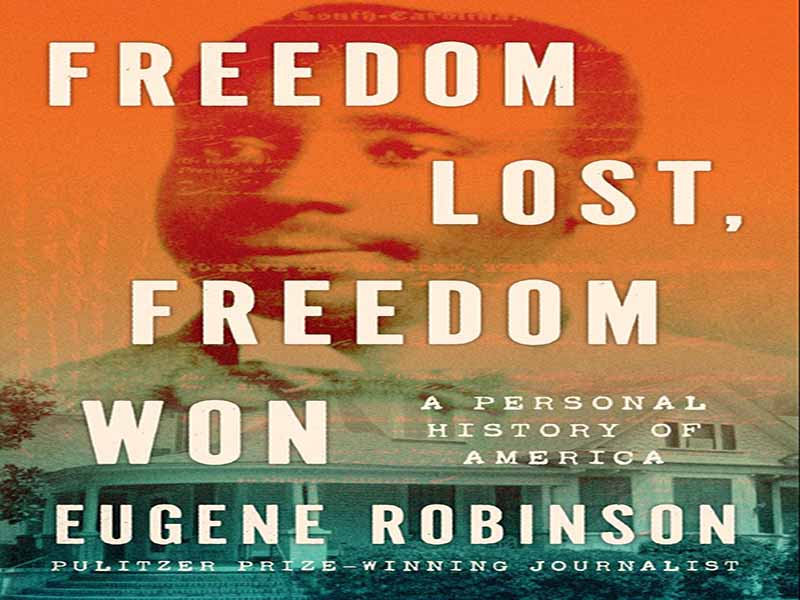
- عنوان کتاب: Freedom Lost, Freedom Won
- نویسنده: Robinson, Eugene
- سال انتشار: 2026
- تعداد صفحه: 350
- زبان اصلی: انگلیسی
- نوع فایل: pdf
- حجم فایل: 12.1 مگابایت
در ۲۷ مارس ۱۸۲۹، یک کشاورز و کارآفرین سفیدپوست ثروتمند به نام ریچارد فوردهام، چهار آمریکایی آفریقاییتبار را از زنی به نام ایزابلا پرمن خریداری کرد. یکی از آنها جد بزرگ من، پسری به نام هری، بود. این معاملهی انسانی، مانند هزاران معاملهی مشابه دیگر در طول تقریباً دو قرن، در چارلستون، کلانشهری در منطقهی پایین کارولینای جنوبی، که بندر ورودی حدود ۴۰ درصد از تمام آفریقاییهای برده شده برای کار در این کشور بود، انجام شد. سندی که این فروش را ثبت کرده است، چند روز بعد، در ۷ آوریل، با وزیر امور خارجه کارولینای جنوبی امضا شد. در آن ذکر نشده است که این فروش در کجای چارلستون انجام شده است – شاید روی پلههای Old Exchange و Provost Dungeon، یا در اسکلههای کوپر ریور، یا در یکی از بازارهای پررونقی که مردم در آن خرید و فروش میشدند. افرادی که توسط فوردهام خریداری شدهاند به عنوان «یک پسر سیاهپوست به نام هری و یک زن سیاهپوست به نام جنی و دو فرزندش به نامهای هاگر و مارگارت» ذکر شدهاند. فوردهام برای این قطعه زمین، ۱۰۸۰ دلار پرداخت کرد. چارلستون که در سال ۱۶۷۰ با نام چارلز تاون توسط استعمارگران انگلیسی از برمودا تأسیس شد، شبهجزیرهای باریک را در بر میگیرد که توسط دو رودخانه قابل کشتیرانی، اشلی و کوپر، احاطه شده است. این رودخانهها در نوک جنوبی شهر به هم میرسند که توسط یک بندر طبیعی وسیع و عمیق محافظت میشود. چارلستون نمیتوانست در موقعیتی بهتر از این برای تبدیل شدن به مرکز تجارت دریایی قرار گیرد. در سال ۱۸۲۹، این شهر مکانی شلوغ با جمعیتی نزدیک به سی هزار نفر بود، مهمترین بندر اقیانوس اطلس در جنوب و ششمین شهر بزرگ کشور، پس از نیویورک، بالتیمور، فیلادلفیا، بوستون و نیواورلئان.
On March 27, 1829, a wealthy white planter and entrepreneur named Richard Fordham purchased four enslaved African Americans from a woman named Isabella Perman. One of them was my great-great-grandfather, a boy called Harry. This transaction in human esh, as with many thousands of other such sales over nearly two centuries, took place in Charleston, the metropolis in the Low Country of South Carolina that was the port of entry for an estimated 40 percent of all enslaved Africans brought to toil in this country. A document recording the sale was led with the South Carolina secretary of state several days later, on April 7. It does not say where in Charleston the sale took place—on the steps of the Old Exchange and Provost Dungeon perhaps, or at the Cooper River docks, or in one of the thriving markets where people were bought and sold. The individuals bought by Fordham are listed as “a Negro boy named Harry and a Negro woman named Jenny and her two children named Hager and Margaret.” For the lot, Fordham paid $1,080. Founded in 1670 as Charles Towne by English colonists from Bermuda, Charleston occupies a narrow peninsula anked by two navigable rivers, the Ashley and the Cooper. The rivers meet at the city’s southern tip, which is protected by a wide and deep natural harbor; Charleston could not have been better situated to become a center of seafaring commerce. In 1829 it was a bustling place with a population of nearly thirty thousand, the most important Atlantic port in the South and the sixth-largest city in the nation, behind only New York, Baltimore, Philadelphia, Boston, and New Orleans.
این کتاب را میتوانید از لینک زیر بصورت رایگان دانلود کنید:
Download: Freedom Lost, Freedom Won

























نظرات کاربران