












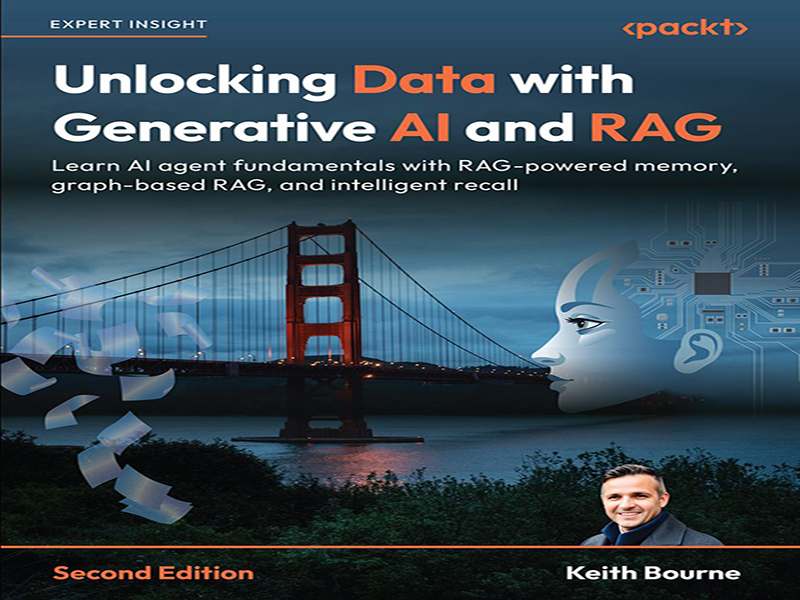
- عنوان کتاب: Unlocking Data with Generative AI and RAG, Second Edition
- نویسنده: Keith Bourne
- حوزه: هوش مصنوعی مولد
- سال انتشار: 2025
- تعداد صفحه: 855
- زبان اصلی: انگلیسی
- نوع فایل: pdf
- حجم فایل: 12.5 مگابایت
در چشمانداز به سرعت در حال تحول هوش مصنوعی (AI)، تولید افزوده بازیابی (RAG) به چیزی فراتر از یک روش بازیابی تبدیل شده است. این روش به سنگ بنای هر سیستم هوش مصنوعی مولد مدرن تبدیل شده است. RAG نقاط قوت بازیابی اطلاعات و مدلهای هوش مصنوعی مولد را برای ایجاد برنامههای قدرتمندی ترکیب میکند که میتوانند به حجم عظیمی از دادهها دسترسی داشته باشند و از آنها برای تولید پاسخهای بسیار دقیق، مرتبط با زمینه و آموزنده استفاده کنند. بدون یک پایه محکم RAG، ساخت یک برنامه هوش مصنوعی قوی تقریباً غیرممکن میشود. با نفوذ هوش مصنوعی به صنایع و حوزههای مختلف، درک و تسلط بر RAG برای توسعهدهندگان، محققان و مشاغل به طور فزایندهای حیاتی شده است. RAG سیستمهای هوش مصنوعی را قادر میسازد تا فراتر از محدودیتهای دادههای آموزشی خود بروند و به اطلاعات بهروز و مختص حوزه دسترسی پیدا کنند و آنها را در سناریوهای دنیای واقعی متنوعتر، سازگارتر و ارزشمندتر میکند. اما نقش RAG از زمان چاپ اول این کتاب به طرز چشمگیری گسترش یافته است. فراتر از بازیابی ساده محتوا، RAG اکنون زیربنای قابلیتهای حیاتی مانند حافظههای نهان معنایی، بازیابی حافظه اپیزودیک، نمودارهای دانش و سیستمهای حافظه عامل است که پیچیدهترین برنامههای هوش مصنوعی امروزی را قدرت میدهند. چشمانداز هوش مصنوعی به طور قاطع به سمت معماریهای مبتنی بر عامل تغییر کرده است. در حالی که نسخه اول عمدتاً بر RAG به عنوان یک تکنیک مستقل متمرکز بود، برنامههای هوش مصنوعی مولد مدرن به طور فزایندهای حول عاملهای خودمختاری ساخته میشوند که استدلال، برنامهریزی و اقدام میکنند. این عاملها به RAG به عنوان یک جزء اصلی عملکرد خود متکی هستند و از بازیابی نه تنها برای پاسخ به سوالات، بلکه برای حفظ زمینه در طول جلسات، یادگیری از تعاملات گذشته و بهبود مداوم عملکرد خود استفاده میکنند. حافظه دیگر نمیتواند یک شهروند درجه دو در طراحی سیستم هوش مصنوعی باقی بماند. RAG اکنون به عنوان ستون فقرات حافظه عامل قرار گرفته است که به نوبه خود در نحوه عملکرد عاملهای هوشمند نقش اساسی دارد. این نسخه دوم منعکس کننده این تغییرات اساسی است. شما یاد خواهید گرفت که چگونه RAG را طوری طراحی کنید که به طور یکپارچه با حافظه عامل، حافظههای نهان معنایی، نمودارهای دانش و سایر اجزای حیاتی گردش کار هوش مصنوعی شما تعامل داشته باشد. گام به گام، ما نه تنها نحوه پیادهسازی RAG را به شما نشان خواهیم داد، بلکه مفاهیم اساسی را نیز توضیح خواهیم داد تا بتوانید با تکامل این حوزه سازگار شوید و قابلیتهای پیشرفته را برای برنامههای هوش مصنوعی خود آزاد کنید. با پیشرفت این کتاب، به عنوان یک راهنمای جامع برای دنیای RAG عمل میکند و هم مفاهیم اساسی و هم تکنیکهای پیشرفتهای را که وضعیت فعلی هنر را تعریف میکنند، پوشش میدهد. این کتاب مملو از مثالهای کدنویسی دقیق است که جدیدترین ابزارها و فناوریها، مانند LangChain، LangGraph، Neo4j، Chroma و جدیدترین مدلهای OpenAI را به نمایش میگذارد. ما مباحث ضروری، از جمله ذخیرهسازیهای برداری، برداریسازی، تکنیکهای جستجوی برداری، مهندسی و طراحی سریع، نمودارهای دانش برای استدلال ساختاریافته، ذخیرهسازی معنایی برای بهینهسازی عملکرد و چارچوب کامل حافظه CoALA (حافظه کاری، اپیزودیک، معنایی و رویهای) را که به عاملها امکان یادگیری و سازگاری با گذشت زمان را میدهد، پوشش خواهیم داد. روشهایی برای ارزیابی و تجسم نتایج RAG، پایه فنی را تکمیل میکند. اهمیت یادگیری RAG را نمیتوان نادیده گرفت. اصول اصلی RAG از ویرایش اول هنوز هم مهم هستند، اما تنها زمانی که به عنوان بخشی از اکوسیستم هوش مصنوعی پرسرعت امروزی دیده شوند. این ویرایش به جای پرداختن به RAG به صورت جداگانه، آن را به عنوان پایه و اساس حافظه عاملی، ذخیرهسازی معنایی، بازیابی مبتنی بر گراف و سایر قابلیتهای پیشرفته قرار میدهد. RAG همچنان یک تسهیلکننده کلیدی برای راهحلهای هوش مصنوعی سفارشی، کارآمد و بینشمحور است و شکاف بین پتانسیل هوش مصنوعی مولد و نیازهای خاص کسبوکار را پر میکند. چه شما یک توسعهدهنده باشید که به دنبال افزایش مهارتهای هوش مصنوعی خود هستید، چه یک محقق که مرزهای جدید هوش مصنوعی را بررسی میکند، یا یک رهبر کسبوکار که به دنبال بهرهبرداری از هوش مصنوعی برای رشد و نوآوری است، این کتاب دانش و مهارتهای عملی لازم برای مهار قدرت RAG و آزادسازی پتانسیل کامل هوش مصنوعی در پروژهها و ابتکارات شما را در اختیار شما قرار میدهد. با تسلط بر RAG همانطور که در این ویرایش ارائه شده است، شما مجهز به ساخت سیستمهای هوش مصنوعی هوشمند، تطبیقی و در حال بهبود مداوم خواهید بود که نسل بعدی برنامهها را تعریف میکنند.
In the rapidly evolving landscape of artificial intelligence (AI), retrieval-augmented generation (RAG) has emerged as far more than a retrieval method. It has become the cornerstone of every modern generative AI system. RAG combines the strengths of information retrieval and generative AI models to create powerful applications that can access and utilize vast amounts of data to generate highly accurate, contextually relevant, and informative responses. Without a solid RAG foundation, building a robust AI application becomes nearly impossible. As AI continues to permeate various industries and domains, understanding and mastering RAG has become increasingly crucial for developers, researchers, and businesses alike. RAG enables AI systems to go beyond the limitations of their training data and access up-to-date and domain-specific information, making them more versatile, adaptable, and valuable in real-world scenarios. But the role of RAG has expanded dramatically since this book’s first edition. Beyond simply retrieving content, RAG now underpins critical capabilities such as semantic caches, episodic memory retrieval, knowledge graphs, and the agentic memory systems that power today’s most sophisticated AI applications. The AI landscape has shifted decisively toward agent-based architectures. While the first edition focused primarily on RAG as a standalone technique, modern generative AI applications are increasingly built around autonomous agents that reason, plan, and take actions. These agents rely on RAG as a core component of their functionality, using retrieval not just to answer questions but to maintain context across sessions, learn from past interactions, and continuously improve their performance. Memory can no longer remain a second-class citizen in AI system design. RAG is now positioned as the backbone of agentic memory, which in turn is central to how intelligent agents function. This second edition reflects these fundamental shifts. You will learn how to design RAG so it seamlessly interacts with agentic memory, semantic caches, knowledge graphs, and other critical components of your AI workflow. Step by step, we will not only show you how to implement RAG but also explain the underlying concepts so you can adapt as the field evolves and unlock advanced capabilities for your AI applications. As this book progresses, it serves as a comprehensive guide to the world of RAG, covering both fundamental concepts and the advanced techniques that define the current state of the art. It is filled with detailed coding examples showcasing the latest tools and technologies, such as LangChain, LangGraph, Neo4j, Chroma, and OpenAI’s latest models. We will cover essential topics, including vector stores, vectorization, vector search techniques, prompt engineering and design, knowledge graphs for structured reasoning, semantic caching for performance optimization, and the complete CoALA memory framework (working, episodic, semantic, and procedural memory) that enables agents to learn and adapt over time. Methods for evaluating and visualizing RAG outcomes round out the technical foundation. The importance of learning RAG cannot be overstated. The core RAG principles from the first edition still matter, but only when viewed as part of today’s fast-moving AI ecosystem. Instead of treating RAG in isolation, this edition positions it as the foundation for agentic memory, semantic caching, graph-based retrieval, and other cutting-edge capabilities. RAG remains a key facilitator of customized, efficient, and insightful AI solutions, bridging the gap between generative AI’s potential and specific business needs. Whether you are a developer looking to enhance your AI skills, a researcher exploring new frontiers in AI, or a business leader seeking to leverage AI for growth and innovation, this book will provide you with the knowledge and practical skills necessary to harness the power of RAG and unlock the full potential of AI in your projects and initiatives. By mastering RAG as presented in this edition, you will be equipped to build the intelligent, adaptive, and continuously improving AI systems that define the next generation of applications.
این کتاب را میتوانید از لینک زیر بصورت رایگان دانلود کنید:
Download: Unlocking Data with Generative AI and RAG, Second Edition




















نظرات کاربران