











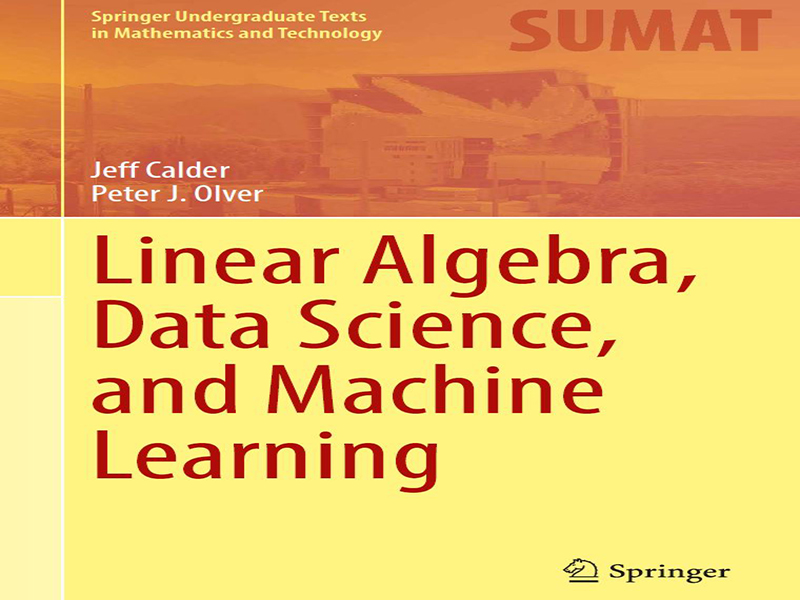
هدف از این متن، ارائه مقدمهای مستقل و از نظر ریاضی دقیق بر روشهای مدرن یادگیری ماشین و تحلیل دادهها در سطح پیشرفته کارشناسی/دانشجویان تازهکار کارشناسی ارشد است. ریاضیات زیربنایی – جبر خطی، بهینهسازی، احتمال و آمار مقدماتی، نظریه گراف – با حداقل پیشنیازها و تنها با تکیه بر حساب دیفرانسیل و انتگرال بسیار اساسی، همانطور که در زیر توضیح داده شده است، به تفصیل توسعه داده شده است. این کتاب رویکردی ریاضی به موضوع دارد و بر درک نحوه کار الگوریتمها، با استفاده از طیف وسیعی از ابزارهای جبر خطی که از ابتدا ارائه میشوند، همراه با مقداری حساب دیفرانسیل و انتگرال مقدماتی، که دومی در درجه اول برای بهینهسازی کاربرد دارد، تمرکز دارد. به طور خاص، این کتاب در مورد یادگیری ماشین آماری نیست و ما از مفاهیم یا تفاسیر احتمالاتی استفاده زیادی نمیکنیم (اگرچه احتمال چندین بار در آن ظاهر میشود). ما این کار را در تلاشی برای دسترسی هرچه بیشتر خوانندگان و دانشجویان به کتاب انجام دادهایم، در حالی که همچنان عمق ریاضی را به مطالبی که برای پوشش انتخاب کردهایم، ارائه میدهیم. در حالی که هدف اصلی، معرفی طیف گستردهای از روشها و الگوریتمهای مدرن یادگیری ماشین به خوانندگان است تا بتوانند چنین تکنیکهایی را در مسائل دنیای واقعی به کار گیرند، ما از بیان قضایا و نوشتن اثباتها، به ویژه هنگامی که منجر به بینش در مورد ریاضیات زیربنایی و درک این موضوع میشوند که الگوریتمها چه زمانی خوب کار میکنند و چه زمانی به طور غیربهینه کار میکنند، اگر نگوییم کاملاً شکست میخورند، طفره نمیرویم. در رویکرد ما، کاربردها با تئوری همراه هستند و هر کدام دیگری را تقویت و الهام میبخشند. به این ترتیب، خواننده هنگام مواجهه با مسائل عملی دشوار به خوبی آماده خواهد شد و همچنین قادر به درک یا حتی مشارکت فعال در پیشرفتهای آینده در این زمینه خواهد بود. پنج فصل اول، از پایه، طیف گستردهای از ایدهها و تکنیکهای برگرفته از جبر خطی – به معنی نظریه و کاربرد بردارها و ماتریسها – را به شکلی ملموس و جامع برای استفاده مستقیم در علم داده و یادگیری ماشین توسعه میدهند. این مطالب از متن نویسنده دوم، جبر خطی کاربردی [181]، که با همسرش، چهرزاد شکیبان، به طور مشترک نوشته شده است، الهام گرفته شدهاند. اگرچه در ارائه مطالب و انتخاب مثالها و تمرینها همپوشانیهایی وجود دارد، اما مطالب به طور گسترده بازآرایی و بازنویسی شدهاند. در واقع، این کتاب رویکردی غیرمعمول و از بسیاری جهات منحصر به فرد به جبر خطی مقدماتی دارد که با تمام متون مقدماتی موجود، از جمله [181]، تفاوت اساسی دارد. این کتاب با بردارهای واقعی شروع میشود و خواص اساسی آنها، از جمله توسعه دقیق ابزارهای کلیدی این حرفه: پایهها، ضربهای داخلی، نرمها و تعامد، با تأکید ویژه بر کاربرد پایههای متعامد، بررسی میشود. ماتریسها پس از آن ظاهر میشوند و بر اساس روابط متقابل آنها با بردارها و سیستمهای معادلات جبری خطی بنا میشوند. با این حال، روش حل استاندارد برای سیستمهای خطی، یعنی حذف گاوسی، پوشش داده نشده است.
The purpose of this text is to provide a self-contained and mathematically rigorous intro- duction to modern methods of machine learning and data analysis at the advanced under- graduate/beginning graduate student level. The underlying mathematics — linear algebra, optimization, elementary probability and statistics, graph theory — is developed in detail with a minimum of prerequisites, relying only on very basic calculus, as described below. The book takes a mathematical approach to the subject, with a focus on understanding how algorithms work, using a range of linear algebraic tools, that are presented ab initio, combined with some elementary differential calculus, the latter primarily applied to opti- mization. In particular, this is not a book on statistical machine learning, and we do not make heavy use of probabilistic concepts or interpretations (although probability does make several appearances). We have done this in an effort to make the book accessible to as broad a range of readers and students as possible, while still providing mathematical depth to the material we have chosen to cover. While the overarching goal is to introduce readers to a broad range of modern machine learning methods and algorithms, enabling them to apply such techniques to real-world prob- lems, we do not shy away from stating theorems and writing out proofs, especially when they lead to insight into the underlying mathematics and an understanding as to when algorithms work well and when they work suboptimally, if not fail outright. In our approach, applications go hand in hand with theory, each reinforcing and inspiring the other. In this way, the reader will be well prepared when confronting recalcitrant practical problems, as well as being able to understand, or even actively contribute to, future developments in the field. The first five chapters develop, from the ground up, a broad range of ideas and techniques com- ing from linear algebra — meaning the theory and application of vectors and matrices — in a concrete and comprehensive form for direct use in data science and machine learning. These materials are inspired by the second author’s text, Applied Linear Algebra [181], coauthored with his wife, Chehrzad Shakiban. While there is some overlap in the exposition and the selection of examples and exercises, the material has been extensively rearranged and rewrit- ten. Indeed, this book takes an unusual and, in many ways, unique approach to introductory linear algebra that differs substantially from all existing introductory texts, including [181]. It begins with real vectors, reviewing their basic properties, including a detailed development of the key tools of the trade: bases, inner products, norms, and orthogonality, with a par- ticular emphasis on the utility of orthonormal bases. Matrices appear afterwards, building on their interrelationships with vectors and linear algebraic systems of equations. However, the standard solution method for linear systems, namely Gaussian elimination, is not covered.
این کتاب را میتوانید از لینک زیر بصورت رایگان دانلود کنید:
Download: Linear Algebra, Data Science, and Machine Learning






















نظرات کاربران