













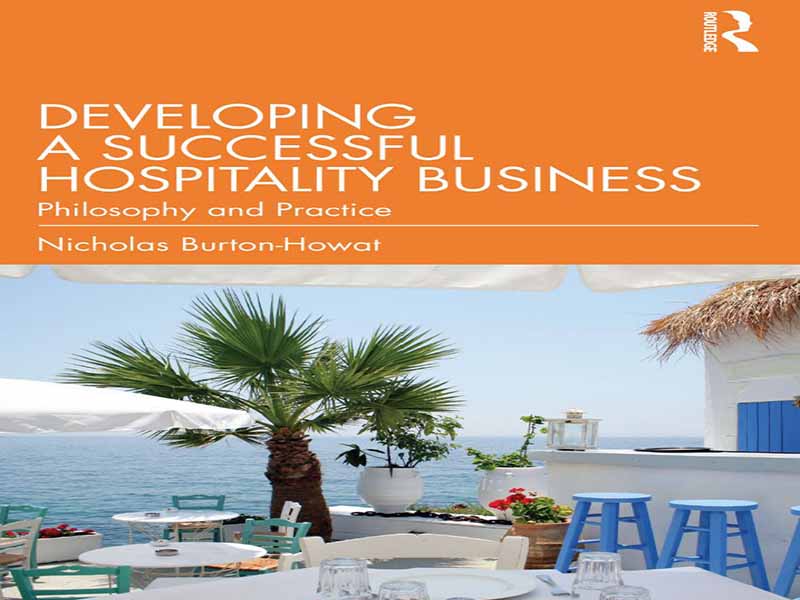
- عنوان کتاب: Developing a Successful Hospitality Business Philosophy and Practice
- نویسنده: Nicholas Burton‐Howat
- حوزه: هتلداری
- سال انتشار: 2026
- تعداد صفحه: 260
- زبان اصلی: انگلیسی
- نوع فایل: pdf
- حجم فایل: 4.96 مگابایت
با نزدیک شدن به طلوع جدیدی از هوش مصنوعی، کسانی هستند که مشتاقانه مزایای بالقوه آن را پیشبینی میکنند و کسانی که از تأثیر آن بر مشاغل افراد خلاق و تکنسینهای آموزشدیده و ماهر میترسند. برخی، به حق، از لحظهای به سبک ترمیناتور میترسند که سختافزار نظامی خودآگاه شود و حتی ارکان جامعه فناوری را وادار به درخواست ترمز کند، حداقل تا زمانی که بتوانیم تأثیرات بالقوه را بهتر درک کنیم و اقدامات حفاظتی لازم را ایجاد کنیم. با این حال، مزارع ترول و سرویسهای اطلاعاتی کشورهای شرور بدون توجه به این موضوع، به کار خود ادامه میدهند و تنها فرصتی را میبینند تا از دشمنان خود پیشی بگیرند و آنچه را که از جهان لیبرال، دموکراتیک و متمدن باقی مانده است، مختل کنند. هر اتفاقی که فردا بیفتد، حقیقت این است که هوش مصنوعی همین امروز هم اینجاست و قدرت پیشرفت و/یا نابودی کل صنایع را به یک اندازه دارد. در عین حال، و طبق اکثر گزارشها، یک بیماری همهگیر انزوا وجود دارد که احتمالاً با انجام کارهای بیشتر از راه دور یا توسط ماشینهایی که به صورت خودکار کار میکنند، افزایش مییابد. فقدان ارتباط بین فردی انسان، تنهاییای را ایجاد میکند که اخیراً به عنوان بزرگترین عامل مؤثر بر طول عمر، حتی بدتر از سیگار کشیدن یا چاقی، شناخته شده است. برای روشن شدن موضوع و در صورتی که از خود میپرسیدید که آیا این کتاب بخشی از یک پرده دودی پیچیده هوش مصنوعی است، میتوانم به شما اطمینان دهم که من یک انسان هستم که کاملاً از یک ماشین کمهوشتر است، اما بیش از 35 سال تجربه در صنعت مهماننوازی دارم.
علیرغم آنچه ممکن است چشماندازی تاریک به نظر برسد، من نسبت به آینده بسیار خوشبین هستم و معتقدم که برای بشریت روشن است. اعتماد من، حداقل تا حدی، بر نبوغ و سختکوشی کارآفرینان نوپای مهماننوازی، مانند شما، استوار است. آنچه این زمینههای خوشبینی را برای من فراهم میکند، دوگانه است. اولاً، من به شدت به کتاب «تخریب خلاقانه» جوزف شومپیتر اعتقاد دارم – این اصل که خوبی میتواند از چیزهای به ظاهر بد ناشی شود، در واقع تخریب و جایگزینی شیوههای قدیمی یک نتیجه ضروری و حیاتی نوآوری است. مثالهای رایج شامل معرفی خط تولید به تولید توسط هنری فورد یا ظهور و سقوط صنعت راهآهن ایالات متحده است. راهآهن که تا حد زیادی جایگزین واگنهای قطار برای سفرهای طولانی شده بود، به شیوه حمل و نقل ترجیحی برای سفرهای بین قارهای تبدیل شد. این صنعت هیچ چالشی برای موقعیت غالب خود ندید، تا اینکه با معرفی پروازهای تجاری، که تقریباً یک شبه آن را از بین برد (به جز حمل مواد حجیم). یک داستان معاصرتر میتواند نابودی تقریباً کامل فیلم سلولوئیدی با ورود دوربینهای دیجیتال و تلفنهای هوشمند باشد. هر کدام از این مثالها برای شما تداعیکننده باشد، آنچه ارزش به خاطر سپردن دارد این است که در هسته خود، تخریب خلاق به چهار عامل وابسته است: نوآوری، رقابت، روحیه کارآفرینی و سرمایه یا سرمایهگذاری. شرکتها و افراد باید آماده سرمایهگذاری در تغییر باشند و گاهی اوقات وقتی که شما در حال تغییر اساسی کل یک سیستم یا عمل هستید، میتواند ریسک مالی قابل توجهی را به همراه داشته باشد. دلیل دوم خوشبینی من، ماهیت بشریت و نیاز ما به روابط بین فردی معتبر است. وقتی مردم به بار محلی خود میروند، به ندرت این کار را انجام میدهند زیرا در یک مبارزه مرگ و زندگی برای یافتن غذا، آب و سرپناه هستند. نه، آنها آنجا هستند تا با دیگر انسانها تعامل داشته باشند. این انسانها دور هم جمع میشوند و با هدف مشترکی متحد میشوند، و هر چقدر هم که این اتحاد نامحسوس، سست یا زودگذر باشد، یک گروه تشکیل میشود. این رفتار تشکیل گروه بخشی از وجود ماست. عضویت در یک گروه، امنیت، حمایت و آسایش را برای افراد فراهم میکند و همچنین فرصتی برای جمعآوری اطلاعات و مقایسه شخصی فراهم میکند. در عوض، ما درک بهتری از خود و جایگاهمان در جهان به دست میآوریم، هویت اجتماعی، حس خود و مهمتر از همه، نیاز به تعلق خاطر را تعیین میکنیم. اکثر ما به طور غریزی میدانیم که پذیرش گروه چقدر مهم است و فقط با فکر طرد شدن احساس ناراحتی میکنیم. مطالعات نشان داده است که طرد عمدی (طرد شدن) بسیار استرسزا است و به طور بالقوه منجر به سردرگمی، افسردگی و پرخاشگری میشود. تصویربرداری رزونانس مغناطیسی از مغز افراد طرد شده، افزایش فعالیت در نواحی قشر مغز مرتبط با تجربه درد جسمی را نشان میدهد.
As a new dawn of artificial intelligence looms, there are those who keenly antici‑pate its potential benefits and those who fear what it will do to the jobs of trained, skilled creatives and technicians. With justification, some fear the Terminator‑esque moment military hardware becomes self‑aware, causing even pillars of the tech community to call for the brakes to be applied, at least until we can better under‑stand the potential impacts and build in the necessary safeguards. Yet the troll farms and intelligence services of nefarious nations press on regardless, seeing only the opportunity to leapfrog their adversaries and disrupt what is left of the liberal, democratic and civilised world. Whatever happens tomorrow, the truth is, AI is already here today, and it has the power to advance and/or decimate whole industries in equal measure. At the same time, and by most accounts there is a pandemic of isolation, which is only likely to increase as more is done remotely or by machines working autonomously. A lack of interpersonal human contact creates loneliness that has recently been identified as the single greatest factor influencing longevity of life, worse than smoking or obesity. For the sake of say‑ing it and in case you were wondering if this book was part of some elaborate AI smokescreen, I can assure you I am a human, who is entirely less intelligent than a machine, but who has over 35 years of experience in the hospitality industry.
Despite what might appear to be a gloomy outlook, I am very positive about the future and believe it is bright for humankind. My trust is founded, at least in part on the ingenuity and hard work of budding hospitality entrepreneurs, like you. What gives me these grounds for optimism are twofold. Firstly, I firmly believe in Joseph Schumpeter’s Gales of Creative Destruction – the principle that good can come from the seemingly bad, indeed the destruction and replacement of old practices is a necessary and vital consequence of innovation. Oft‑quoted exam‑ples include the introduction of the production line to manufacturing by Henry Ford, or the rise and fall of the US rail industry. Having largely replaced stage coaches for long‑distance travel, rail became the preferred mode of transport for transcontinental journeys. The industry saw no challenge to its dominant posi‑tion, until the introduction of commercial airflights, which pretty much wiped it out overnight (aside from the transportation of bulky materials). A more contem‑porary tale might be the near total destruction of celluloid film by the arrival of digital cameras and smartphones. Whichever example resonates for you, what’s worth remembering is that at its core, Creative Destruction is dependent on four factors: innovation, competition, entrepreneurial spirit and capital or investment. Firms and individuals need to be ready to invest in change, and sometimes it can take considerable financial risk when you’re radically changing an entire system or practice. The second reason for my optimism, is the nature of humanity and our need for authentic interpersonal relations. When people visit their local bar, they’re rarely doing so because they’re in a life or death struggle to find food, water and shelter. No, they’re there to interact with other humans. These hu‑mans gather together and are united by common purpose, and however subtly, loosely or ephemerally, a group establishes. This group forming behaviour is part of our very being. Membership of a group provides safety, support and comfort to individuals, as well as affording the opportunity for information collection and personal comparison. In turn, we gain understanding of ourselves and our place in the world, determining our social identity, our sense of self and importantly, satisfying our need to belong. Most of us instinctively know how important group acceptance is, and feel uncomfortable just at the thought of rejection. Studies have shown that deliberate exclusion (ostracism) is highly stressful, potentially resulting in confusion, depression and aggression. Magnetic resonance imaging of ostracised subjects’ brains, suggests increased activity in the areas of the cortex associated with the experience of physical pain.
این کتاب را میتوانید از لینک زیر بصورت رایگان دانلود کنید:
Download: Developing a Successful Hospitality Business Philosophy and Practice
























نظرات کاربران