













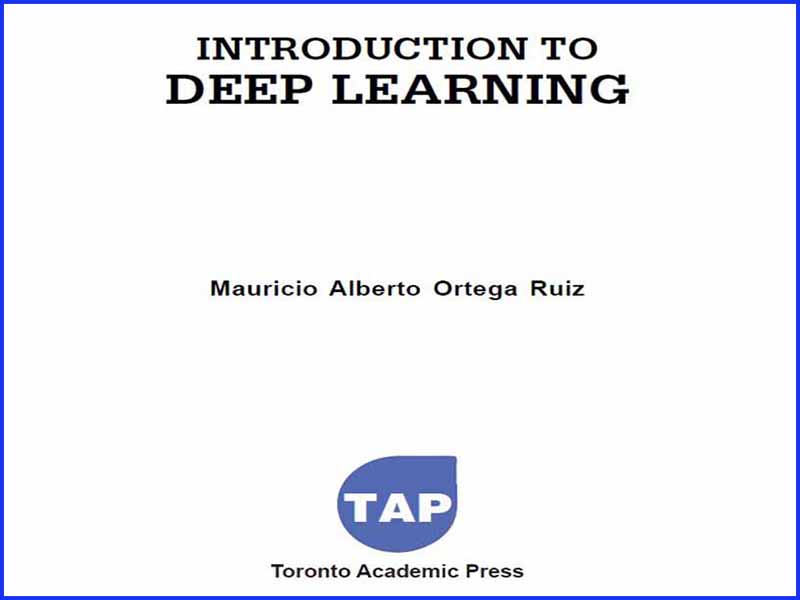
- عنوان کتاب: Introduction to Deep Learning
- نویسنده: Mauricio Alberto Ortega Ruiz
- حوزه: یادگیری عمیق
- سال انتشار: 2025
- تعداد صفحه: 229
- زبان اصلی: انگلیسی
- نوع فایل: pdf
- حجم فایل: 4.69 مگابایت
هوش مصنوعی با یادگیری عمیق که اکنون تقریباً در تمام برنامههای تجاری وجود دارد، کاملاً متحول شده است. الگوریتمهای یادگیری ماشین به حجم عظیمی از دادهها برای تحقیق دسترسی دارند، زیرا تقریباً تمام اطلاعات و تراکنشها اکنون به صورت دیجیتالی ثبت میشوند. اما برای روشهای مرسوم یادگیری ماشین، بررسی همبستگیهای پیچیده موجود در این به اصطلاح کلان داده دشوار است. این امر به ویژه در مورد دادههای بدون ساختار مانند متن، گفتار و تصویر صادق است. این کتاب به عنوان یک راهنمای مقدماتی در حوزه یادگیری عمیق عمل میکند و هدف آن ارائه درک جامعی از اصول، روشها و کاربردهای آن است. یادگیری عمیق، زیرمجموعهای از یادگیری ماشین، به دلیل توانایی خود در یادگیری خودکار و استخراج الگوهای پیچیده از دادهها، که در نتیجه امکان انجام وظایف پیچیدهای مانند تشخیص تصویر و گفتار، پردازش زبان طبیعی و تصمیمگیری خودکار را فراهم میکند، برجسته شده است. این کتاب شامل هشت فصل است. فصل اول مفاهیم اساسی و تکامل تاریخی یادگیری عمیق و همچنین چارچوب و کاربرد یادگیری عمیق را مورد بحث قرار میدهد. فصل دوم به مدلهای شبکه عصبی عمیق میپردازد و پرسپترونهای چندلایه، شبکههای عصبی کانولوشن، شبکههای عصبی بازگشتی و سایر معماریهای پیشرفته مانند ماشینهای بولتزمن و خودرمزگذارهای عمیق را بررسی میکند. فصل 3 تمرکز خود را به تکنیکهای یادگیری تقویتی عمیق معطوف میکند و الگوریتمهایی مانند یادگیری Q، شبکههای Q عمیق و روشهای گرادیان سیاست را توضیح میدهد. فصل چهارم به شبکههای عصبی کانولوشن (CNN) اختصاص دارد و بررسی دقیقی از اجزای آنها مانند فیلترها، ادغام و لایهگذاری ارائه میدهد. همچنین پیادهسازی عملی CNNها با استفاده از TensorFlow را مورد بحث قرار میدهد. فصل 5 چارچوب PyTorch را معرفی میکند و بر تانسورها، گرادیانها و ساخت شبکههای عصبی با استفاده از APIهای قدرتمند آن تمرکز دارد. فصل ششم به تکنیکهای یادگیری عمیق مولد، از جمله تولید متن، انتقال سبک عصبی و خودرمزگذارهای متغیر میپردازد. این روشها امکان ایجاد محتوای جدید مانند تصاویر و متن را فراهم میکنند و پتانسیل خلاقانه مدلهای یادگیری عمیق را فراتر از وظایف طبقهبندی سنتی نشان میدهند. فصل هفتم در مورد تکنیکهای پیشرفته یادگیری عمیق، مانند مکانیسمهای توجه و شبکههای مولد تخاصمی (GANs) است. این تکنیکها با بهبود تمرکز و تولید دادههای واقعگرایانه، عملکرد مدل را افزایش میدهند، که برای وظایف پردازش زبان طبیعی، بینایی کامپیوتر و برنامههای کاربردی مبتنی بر خلاقیت بسیار مهم است. فصل 8 با بررسی کاربردهای عملی یادگیری عمیق در پردازش زبان طبیعی و تشخیص گفتار به پایان میرسد. این فصل موضوعاتی مانند تجزیه، نمایشهای توزیعشده، نمودارهای دانش و یادگیری چندوجهی را پوشش میدهد و نشان میدهد که چگونه یادگیری عمیق با ایجاد درک دقیق و تولید زبان انسانی، این حوزهها را متحول میکند. این کتاب به طور خاص برای دانشجویان و محققان نوشته شده است تا نیازهای آنها را از نظر دانش برآورده کند و درک گستردهای از سیستمهای اطلاعات تجاری در اختیار آنها قرار دهد.
Artificial intelligence has been completely revolutionized by deep learning, which is now present in nearly all business applications. Machine learning algorithms have access to a tremendous amount of data for research since nearly all information and transactions are now recorded digitally. But it’s difficult for conventional machine learning methods to investigate the complex correlations found in this so-called Big Data. This is especially true for unstructured data like text, speech, and image. This book serves as an introductory guide to the field of deep learning, aiming to provide a comprehensive understanding of its principles, methodologies, and applications. Deep learning, a subset of machine learning, has gained prominence due to its ability to automatically learn and extract intricate patterns from data, thereby enabling sophisticated tasks such as image and speech recognition, natural language processing, and autonomous decision-making. This book comprises eight chapters; the first chapter discusses the fundamental concepts and historical evolution of deep learning, as well as the framework and application of deep learning. The second chapter expands on deep neural network models, exploring multilayer perceptrons, convolutional neural networks, recurrent neural networks, and other advanced architectures like Boltzmann machines and deep autoencoders. Chapter 3 shifts focus to deep reinforcement learning techniques, elucidating algorithms such as Q-learning, deep Q-networks, and policy gradient methods. The fourth chapter specializes in convolutional neural networks (CNNs), offering a detailed examination of their components such as filters, pooling, and padding. It also discusses the practical implementation of CNNs using TensorFlow. Chapter 5 introduces the PyTorch framework, focusing on tensors, gradients, and the construction of neural networks using its powerful APIs. The sixth chapter deals with generative deep learning techniques, including text generation, neural style transfer, and variational autoencoders. These methods enable the creation of new content such as images and text, showcasing the creative potential of deep learning models beyond traditional classification tasks. The seventh chapter is about advanced deep learning techniques, such as attention mechanisms and generative adversarial networks (GANs). These techniques enhance model performance by improving focus and generating realistic data, which is critical for tasks in natural language processing, computer vision, and creativity-driven applications. Chapter 8 concludes by examining the practical applications of deep learning in natural language processing and speech recognition. It covers topics like parsing, distributed representations, knowledge graphs, and multimodal learning, showcasing how deep learning transforms these domains by enabling accurate understanding and generation of human language. This book has been written specifically for students and scholars to meet their needs in terms of knowledge and to provide them with a broad understanding of business information systems.
این کتاب را میتوانید از لینک زیر بصورت رایگان دانلود کنید:
Download: Introduction to Deep Learning























نظرات کاربران