












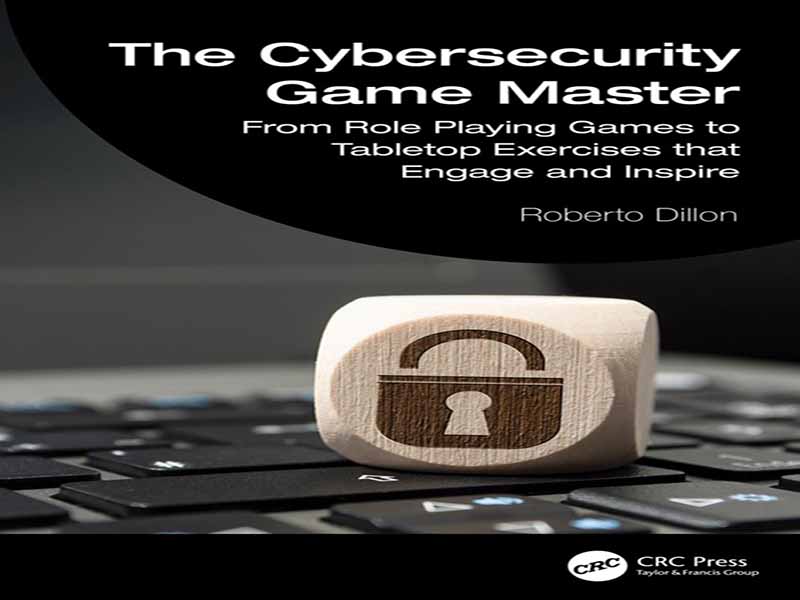
- عنوان کتاب: The Cybersecurity Game Master From Role Playing Games to Tabletop Exercises that Engage and Inspire
- نویسنده: Roberto Dillon
- حوزه: امنیت سایبری
- سال انتشار: 2026
- تعداد صفحه: 226
- زبان اصلی: انگلیسی
- نوع فایل: pdf
- حجم فایل: 3.02 مگابایت
بازیهای نقشآفرینی (RPG) و تمرینهای آموزشی. فانتزی و امنیت سایبری. در نگاه اول، اینها حوزههای کاملاً متفاوتی به نظر میرسند که هیچ وجه اشتراکی ندارند. با این حال، وقتی کمی دقیقتر نگاه میکنیم، پتانسیل این اتحاد عجیب را میبینیم، اتحادی که کلید تغییر نحوه آمادهسازی ما برای بحرانهای سایبری اجتنابناپذیر در دنیایی با پیچیدگی فزاینده دیجیتال را در دست دارد. در این کتاب، میخواهم بررسی کنم که چگونه میتوانیم با قدرت تخیل داستانسرایی و گیمپلی ساختاریافته، بین امر خطیر دفاع سایبری پلی برقرار کنیم. چه بخواهیم چه نخواهیم، چشمانداز تهدید به طور اساسی در حال تغییر است و همراه با آن، رویکرد ما به آموزش، آمادگی و تابآوری سازمانی نیز باید تکامل یابد. ما دیگر با دنیایی از رخنههای منفرد یا هکرهای فرصتطلب که به دنبال پیروزی سریع هستند، سر و کار نداریم. اکنون با دشمنان سرسخت، گروههای حمله هماهنگ حرفهای و بازیگران دولتی که کمپینهایشان طی هفتهها، ماهها و حتی سالها گسترش مییابد، در حال رقابت هستیم. باجافزار به یک سرویس کالایی تبدیل شده است. زنجیرههای تأمین از طریق تاکتیکهای ظریف و عمیقاً جاسازیشده به خطر میافتند. فیشینگ دیگر فقط یک هرزنامهی انبوه نیست. اکنون یک فیشینگ هدفمند و مهندسیشدهی اجتماعی است که با ماهها شناسایی پشتیبانی میشود. و با این حال، برای بسیاری از سازمانها، آموزش امنیت سایبری در دوران دیگری گیر کرده است: ماژولهای انطباق سالانه، وبینارهای بیروح، شبیهسازیهای تیکدار و TTXهای استاتیک. این قالبها ممکن است یک تعهد را برآورده کنند، اما به ندرت غریزه، کار تیمی یا سازگاری را پرورش میدهند. به طور خلاصه، آنها ما را برای هرج و مرج پویای یک حادثه واقعی آماده نمیکنند. بدتر از آن، آنها کسلکننده هستند. از خود بپرسید: تیمهای شما چقدر از آخرین آموزش خود را حفظ میکنند؟ آیا میتوانند جریان ارتباطات را در طول یک بحران به یاد بیاورند؟ آیا آنها میدانند چه کسی چه نقشی را در طرح واکنش به حادثه (IRP) بر عهده دارد؟ آیا میتوانند تشخیص دهند که یک رویداد چه زمانی از ناراحتی به اورژانس تبدیل میشود؟ اینها سوالات مربوط به سیاست نیستند؛ اینها سوالات مربوط به افراد و نحوهی برخورد آنها با پیچیدگی تحت استرس و فشار زمانی است. اینجاست که بازیسازی وارد میشود. توجه داشته باشید، من همیشه از کلمات کلیشهای و اینکه چگونه از آنها برای مرموزتر کردن مفاهیم ساده و اغلب، تبدیل آنها به حوزه متخصصان خودخوانده استفاده میشود، متنفر بودم. متأسفانه، «بازیسازی» نیز از این قاعده مستثنی نبود، اما همانطور که خواهید دید، در اینجا ما آن را نه به عنوان یک ترفند، بلکه به عنوان سنگ بنای ضروری برای تکامل شیوههای آموزشی در نظر نمیگیریم. در اصل، بازیهای نقشآفرینی درباره الفها و اژدهاها نیستند. آنها درباره داستانسرایی مشارکتی، تصمیمگیری در شرایط عدم قطعیت و واکنش به عواقب هستند. آنها یک محیط ساختاریافته فراهم میکنند که در آن شرکتکنندگان میتوانند نقشهای خاصی را بر عهده بگیرند، انتخاب کنند و ببینند که چگونه این انتخابها در جهان منعکس میشود. اگر این آشنا به نظر میرسد، به این دلیل است که جوهره واکنش به حوادث امنیت سایبری را منعکس میکند. تفاوت این است که بازیهای نقشآفرینی این کار را به روشی انجام میدهند که شما را به درون خود میکشاند، نه اینکه شما را به جلو هل دهد. بنابراین، اگر اصول اثبات شده طراحی بازیهای نقشآفرینی را در نظر بگیریم و آنها را در تمرینات امنیت سایبری خود به کار ببریم، چه میشود؟ چه میشد اگر به جای مرور یک چک لیست، تیمهای واکنش ما شخصیتهایی در یک سناریوی پرخطر بودند، با نقشهای مشخص، تهدیدهای در حال تحول، پیچشهای غیرمنتظره و نیاز به همکاری، سازگاری و غلبه بر آنها؟ چه میشد اگر به جای یک تسهیلگر صرف، یک «استاد بازی امنیت سایبری» داشتیم که یک سناریوی در حال تحول پر از تنش روایی و پیامدهای واقعگرایانه را هماهنگ میکرد؟ این کتاب از دل همین سوال زاده شد. این کتاب حاصل سالها تجربه طراحی بازی در ساخت تجربیات فراگیر همراه با آموزشها و تمرینهای مبتنی بر سناریو است. از این پس، نباید به شرکتکنندگان صرفاً گفته شود که چه کاری انجام دهند، بلکه آنها باید آن را با هم در یک بحران شبیهسازی شده که به اندازه کافی واقعی به نظر میرسد، کشف کنند. ساختار کتاب منعکس کننده این فلسفه است. شما کتابهای راهنمای سناریو را خواهید یافت که از چارچوبهای واکنش به حادثه آشنا پیروی میکنند و به تکنیکهای MITRE ATT&CK® و بردارهای تهدید دنیای واقعی، از حملات انکار سرویس توزیع شده (DDoS) و باجافزار گرفته تا فیشینگ، اشاره دارند. تمرینهای پیشنهادی شامل تزریقها، نتایج جایگزین و بررسی مهارتها هستند که برای شبیهسازی فشارهای واقعی و نتایج غیرمنتظره طراحی شدهاند. درست مانند یک نفوذ واقعی، تصمیمات شما عواقبی دارند. و شکستها نیز میتوانند رخ دهند. مهمتر از همه، این رویکرد به آنچه در غیر این صورت میتواند مانند یک کار طاقتفرسا به نظر برسد، زندگی میبخشد و هدف آن تبدیل یادگیرندگان منفعل به شرکتکنندگان فعال است. این رویکرد تیمها را به صحبت، بحث، برنامهریزی و تأمل تشویق میکند. این رویکرد، شکستهای ارتباطی، سردرگمی نقش یا شکافهای رویهای را قبل از اینکه یک حمله واقعی آنها را آزمایش کند، آشکار میکند. و همه این کارها را بدون نیاز به یک محدوده سایبری چند میلیون دلاری انجام میدهد: فقط کمی زمان، تعهد و تمایل به برخورد با آموزش به عنوان داستانی که ارزش گفتن دارد. البته، این کتاب فقط در مورد قوانین، تاس انداختن و اسکریپتها نیست. هدف واقعی آن پرورش یک فرهنگ شرکتی مناسب است که بر آمادگی و مسئولیت مشترک در امنیت سایبری تمرکز دارد. و این فقط میتواند از … ناشی شود.
Role-Playing Games (RPGs) and training exercises. Fantasy and Cybersecurity. At first sight, these look like completely different domains that have nothing in common. And yet, when we look a little closer, we begin to see the potential of this strange alliance, an alliance that holds the key to transforming how we prepare for the inevitability of cyber crises in a world of escalating digital complexity. In this book, I want to explore how we might bridge the serious business of cyber defense with the imaginative power of storytelling and structured gameplay. Whether we like it or not, the threat landscape keeps changing radically and, with it, our approach to training, preparedness, and organizational resilience must evolve too. We are no longer dealing with a world of isolated breaches or opportunistic hackers looking for a quick win. We are now contending with persistent adversaries, professionally coordinated attack groups, and nationstate actors whose campaigns unfold over weeks, months, and even years. Ransomware has become a commoditized service. Supply chains are compromised through subtle, deeply embedded tactics. Phishing is no longer just a mass spam. It is now a hyper-targeted, socially engineered spear-phishing backed by months of reconnaissance. And yet, for many organizations, cybersecurity training remains stuck in another era: annual compliance modules, uninspired webinars, check-the-box simulations, and static TTXs. These formats may fulfill an obligation, but they rarely cultivate instinct, teamwork, or adaptability. In short, they are not preparing us for the dynamic chaos of a real incident. Worse still, they are boring. Ask yourself: how much do your teams retain from their last training? Can they recall the communication flow during a crisis? Do they know who owns what role under the Incident Response Plan (IRP)? Can they detect when an event transitions from inconvenience to emergency? These are not questions of policy; these are questions of people and how they engage with complexity under stress and time pressure. That’s where gamification comes in. Mind you, I always hated buzzwords and how they are used to make simple concepts more mysterious and, way too often, the domain of selfproclaimed experts. Unfortunately, “gamification” was no exception but, as you will see, here we will not treat it as a gimmick but as a necessary cornerstone for the evolution of training practices. At their core, RPGs are not about elves and dragons. They are about collaborative storytelling, decision-making under uncertainty, and reacting to consequences. They provide a structured environment where participants can take on specific roles, make choices, and see how those choices ripple out into the world. If that sounds familiar, it’s because it mirrors the very essence of cybersecurity incident response. The difference is that RPGs do it in a way that pulls you in, rather than pushing you through. So, what if we take the proven principles of RPG design and apply them to our cybersecurity exercises? What if instead of walking through a checklist, our response teams were characters in a high-stakes scenario, with clear roles, evolving threats, unexpected twists, and the need to collaborate, adapt, and overcome? What if, instead of a mere facilitator, we have a “Cybersecurity Game Master” instead, orchestrating an evolving scenario filled with narrative tension and realistic consequence? This book was born from that question. It is the result of years of game design experience building immersive experiences coupled with scenariobased teaching and trainings. From now on, participants should not be simply told what to do, but they should figure it out, together, in a simulated crisis that feels just real enough to matter. The structure of the book reflects this philosophy. You will find scenario playbooks that follow familiar incident response frameworks, referencing MITRE ATT&CK® techniques and real-world threat vectors, from distributed denial-of-service (DDoS) and ransomware to phishing. Proposed exercises include injects, alternative outcomes, and skill checks designed to simulate real pressures and unexpected outcomes. Just like in a real breach, your decisions have consequences. And failures can happen, too. More importantly, though, this approach injects life into what can otherwise feel like a chore and aims at turning passive learners into active participants, it encourages teams to speak, argue, plan, and reflect. It reveals communication breakdowns, role confusion, or procedural gaps before a real attack tests them. And it does all this without needing a multimilliondollar cyber range: just some time, commitment, and a willingness to treat training as a story worth telling. Of course, this book is not just about rules, rolling dice, and scripts. Its real objective is to foster a proper company culture that focuses on readiness and shared responsibility in cybersecurity. And this can only arise from honest and committed teamwork. It cannot be created through fear or obligation: it grows through engagement, through relevance, and yes, even through “excitement” and “fun”. I’ve worked with teams of students and professionals alike across different sectors and the message is always the same: training only works when it feels real, and, even more importantly, when people care. That doesn’t mean turning every exercise into a show, but it means creating space for emotion, pressure, and choice and that’s exactly what the RPG format gives us, including the ability to care for our alter ego in the virtual world. To be clear, there are no such things as silver bullets. The proposed approach to gamified training still needs to be grounded in good documentation, specific tools, legal counsel, and executive buy-in. Once the frameworks are in place, though, what remains is the people making up the team and how well those people come together, under stress, and make decisions that protect the organization to mitigate and recover from the consequences of an attack. That’s the heart of this book. That’s the reason for blending the serious world of cybersecurity with the playful structure of role-playing: if we want our people to thrive during the next inevitable incident, and not just (hopefully) survive it, we must train them in ways that reflect the complexity of both the threat and the team internal dynamics. Whether you are a CISO, an instructor, a security analyst, a policy maker, or just someone who believes training can be better, I invite you to explore the chapters ahead with an open mind. Read the scenarios, adapt them to your environment, and above all, play them. The stakes are high, but so too is our ability to prepare.
این کتاب را میتوانید از لینک زیر بصورت رایگان دانلود کنید:
Download: The Cybersecurity Game Master
























نظرات کاربران