











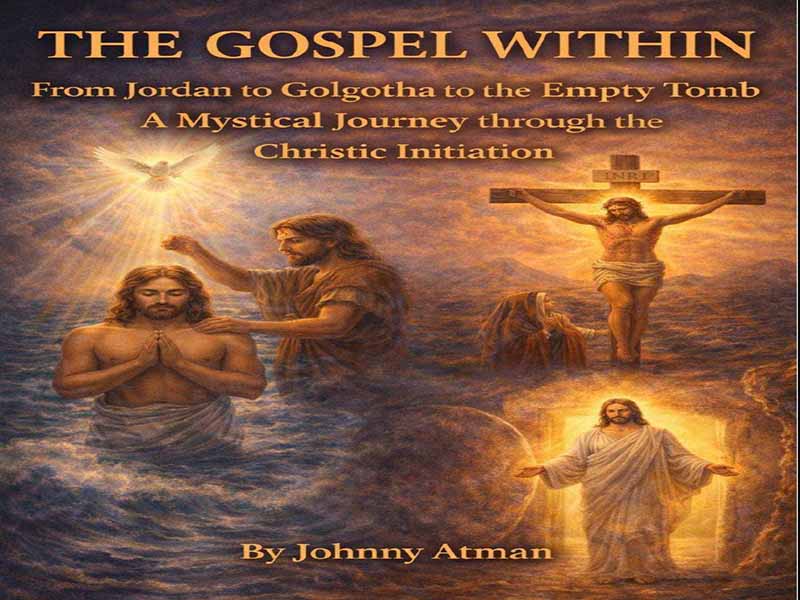
- عنوان کتاب: THE GOSPEL WITHIN
- نویسنده: Johnny Atman
- حوزه: مسیحیت
- سال انتشار: 2025
- تعداد صفحه: 217
- زبان اصلی: انگلیسی
- نوع فایل: pdf
- حجم فایل: 5.26 مگابایت
عهد جدید با گهواره، سرشماری یا ستارهای معلق بر فراز دهکدهای خفته آغاز نمیشود. این عهد بسیار پیشتر و بسیار نزدیکتر آغاز میشود – در درون مبارزه پنهان روح انسان که در حالی که هنوز در ترس، خاطره، عادت و هویت پوشیده است، به سوی منشأ الهی خود بیدار میشود. پیش از مسیح، عیسی وجود دارد – نه صرفاً به عنوان یک شخصیت تاریخی، بلکه به عنوان یک کهن الگوی زنده از انسانی که ندای خدا را شنیده و جرأت کرده است بدون دانستن هزینه آن به آن پاسخ دهد. عیسی نمایانگر آگاهی تجسم یافته در محدودیت است، روحی که زیر وزن جسم راه میرود، آگاهی که اطاعت را میآموزد در حالی که هنوز در معرض گرسنگی، سوءتفاهم، خستگی، دلبستگی و غم است. او به عنوان یک جدا شدن بیعیب و نقص ارائه نمیشود، بلکه به عنوان حقیقتی که از میان مقاومت عبور میکند، ارائه میشود. او گریه میکند. او کنارهگیری میکند. او دعا میکند. او میلرزد. او عمیقاً عشق میورزد و آشکارا رنج میکشد، زیرا مسیری که او طی میکند انتزاعی الهی نیست، بلکه اطاعتی مجسم تحت فشار است. عیسی، به این معنا، هنوز مسیح نیست. او سفری به سوی مسیح است. او خودِ بیدارِ انسانی است که با اراده الهی همسو شده اما هنوز از خودیت تهی نشده است. او آگاهیای است که خدا را از نزدیک میشناسد، اما هنوز جدایی را در سیستم عصبی، در روان، در بدن که باید بخورد، بخوابد، فرار کند و درد را تحمل کند، تجربه میکند. معجزات او نمایش قدرت نیستند، بلکه نشانههایی از همسویی هستند – لحظاتی که نفس، چنگال خود را شل میکند و انسجام الهی بدون مانع جریان مییابد. آموزههای او آموزه نیستند، بلکه دعوتهایی به یک نظم مجدد درونی ادراک هستند. و با این حال، علیرغم همه روشناییها، عیسی همچنان به خودی وابسته است که هنوز هم میتواند تهدید شود، به او خیانت شود، مورد سوء تفاهم قرار گیرد و محکوم شود. به همین دلیل است که انجیل نمیتواند تنها با آموزش به پایان برسد. حقیقتِ نهفته در نفس، ناگزیر به سمت بحران پیش میرود. همسویی بدون تسلیم، تنش ایجاد میکند. آگاهی بدون مرگ، شکستگی ایجاد میکند. و بدین ترتیب مسیر عیسی به طور اجتنابناپذیری به سمت جلجتا خم میشود – نه به عنوان مجازات، بلکه به عنوان کمال. جلجتا، محل جمجمه، صرفاً تپهای در خارج از اورشلیم نیست؛ این قله درونی ذهن انسان است که در آن همه توهمات نویسندگی فرو میریزد. اینجاست که نفس – حس ساخته شده از “من” که معتقد است باید زنده بماند، دفاع کند، توجیه کند و کنترل کند – به پایان اقتدار خود میرسد. هر روح بیداری که از عقبنشینی به سمت سازش امتناع ورزد، سرانجام باید به اینجا برسد، زیرا حقیقت با حضور خود هویت کاذب را از بین میبرد. جلجتا از بیرون تحمیل نمیشود؛ از درون آشکار میشود. صلیب وقفهای در سفر نیست – بلکه هندسه درونی سفر است که قابل مشاهده میشود. در جتسیمانی، مقاومت نهایی آشکار میشود. “نه اراده من، بلکه اراده تو” یک عبارت زاهدانه نیست؛ بلکه نقطه شکستی است که آخرین ادعای نفس برای حاکمیت در معرض دید قرار میگیرد و تسلیم میشود. این لحظه پایان عیسی به عنوان خودِ خودآگاه را نشان میدهد. از این نقطه به بعد، هیچ دستور کار شخصی، هیچ حفظ نفس، هیچ پاسخ استراتژیکی به رنج وجود ندارد. آنچه باقی میماند اطاعت بدون قید و شرط است. بدن به راه رفتن ادامه میدهد، ذهن به صحبت کردن ادامه میدهد، اما مرکز تغییر کرده است. خودی که زمانی جهان را هدایت میکرد، تاج و تخت خود را واگذار کرده است. بنابراین، مصلوب شدن صرفاً مرگ یک انسان نیست، بلکه انحلال یک شیوهی آگاهی است. آنچه بر روی صلیب میمیرد، زندگی الهی نیست – زندگی الهی نمیتواند بمیرد – بلکه کل معماری هویتی است که معتقد است از خدا جداست. فریاد «خدای من، خدای من، چرا مرا رها کردی»، رها شدن نیست؛ بلکه آخرین مواجهه با جدایی است که به طور کامل به آگاهی آورده میشود تا بتواند آزاد شود. وقتی عیسی میگوید: «تمام شد»، پایان زندگی نیست، بلکه تکمیل داستان نفس است. مقبره سکوت است. این سبت آگاهی است – مکثی که در آن هیچ خودی عمل نمیکند، هیچ ارادهای ادعا نمیکند، هیچ روایتی توضیح نمیدهد. این فاصله بین انحلال و بازسازی است، جایی که هویت دیگر وجود ندارد، اما هنوز وجود جدیدی ظهور نکرده است. این سکوت ضروری است. بدون آن، رستاخیز به جای دگرگونی، اجرا خواهد بود. مسیح، عیسیِ بازگشته نیست. مسیح چیزی است که وقتی عیسی خالی میشود، ظهور میکند. رستاخیز احیا نیست؛ بلکه تبدیل است. مسیح نه به عنوان همان آگاهیِ تقویتشده یا پاداشیافته، بلکه به عنوان آگاهیای آزاد از نیاز به کسی بودن، ظهور میکند. جایی که عیسی از طریق اطاعت حرکت کرد، مسیح تجسم اطاعت است. جایی که عیسی از درد بخشید، مسیح از فراوانی بخشید. جایی که عیسی رنج را تحمل کرد، مسیح آرامش را ساطع میکند. زخمها باقی میمانند، نه به عنوان جراحات، بلکه به عنوان روزنههایی که اکنون نور از طریق آنها جریان مییابد. هویت دیگر ادراک را سازماندهی نمیکند؛ خودِ بودن این کار را میکند. بنابراین مسیح یک شخصیت نیست، یک نقش نیست، یک ساختار الهیاتی نیست. مسیح آگاهیِ فراتر از خود است، حالتی که در آن سیستم انسانی برای زندگی الهی شفاف شده است. سنگی که از مقبره به کناری غلتانده شده صرفاً بیرونی نیست – بلکه سنگی است که از ادراک، از ترس، از جدایی غلتانده شده است. مرگ آن را از دست داده است.
The New Testament does not begin with a cradle, a census, or a star suspended above a sleeping village. It begins far earlier and far closer — within the hidden struggle of the human soul awakening to its own divine origin while still clothed in fear, memory, habit, and identity. Before there is Christ, there is Jesus — not merely as a historical figure, but as a living archetype of the human being who has heard the call of God and has dared to answer it without yet knowing the cost. Jesus represents consciousness embodied within limitation, Spirit walking under the weight of flesh, awareness learning obedience while still subject to hunger, misunderstanding, fatigue, attachment, and sorrow. He is not presented as flawless detachment, but as truth moving through resistance. He weeps. He withdraws. He prays. He trembles. He loves deeply and suffers openly, because the path he walks is not divine abstraction but incarnated obedience under pressure. Jesus, in this sense, is not yet the Christ. He is the journey toward Christ. He is the awakened human self who has aligned with divine will but has not yet been stripped of selfhood. He is the consciousness that knows God intimately, yet still experiences separation within the nervous system, within the psyche, within the body that must eat, sleep, flee, and endure pain. His miracles are not displays of power, but signs of alignment — moments where ego loosens its grip and divine coherence flows unobstructed. His teachings are not doctrines but invitations into an interior reordering of perception. And yet, despite all illumination, Jesus remains bound to a self that can still be threatened, betrayed, misunderstood, and condemned. This is why the Gospel cannot end with teaching alone. Truth carried in ego inevitably moves toward crisis. Alignment without surrender creates tension. Awareness without death creates fracture. And thus the path of Jesus bends inexorably toward Golgotha — not as punishment, but as fulfillment. Golgotha, the place of the skull, is not simply a hill outside Jerusalem; it is the interior summit of the human mind where all illusions of authorship collapse. It is where the ego — the constructed sense of “I” that believes it must survive, defend, justify, and control — reaches the end of its authority. Every awakened soul that refuses to retreat into compromise must eventually arrive here, because truth dismantles false identity by its very presence. Golgotha is not imposed from without; it is revealed from within. The cross is not an interruption of the journey — it is the journey’s inner geometry made visible. In Gethsemane, the final resistance surfaces. “Not my will, but Thine” is not a pious phrase; it is the fracture point where the ego’s last claim to sovereignty is exposed and surrendered. This moment marks the end of Jesus as ego-conscious self. From this point forward, there is no personal agenda, no self-preservation, no strategic response to suffering. What remains is obedience without condition. The body continues to walk, the mind continues to speak, but the center has shifted. The self that once navigated the world has yielded its throne. The crucifixion is therefore not merely the death of a man, but the dissolution of a mode of consciousness. What dies on the cross is not divine life — divine life cannot die — but the entire architecture of identity that believes it is separate from God. The cry, “My God, my God, why hast thou forsaken me,” is not abandonment; it is the final exposure of separation itself, brought fully into awareness so that it may be released. When Jesus says, “It is finished,” it is not the end of life, but the completion of ego’s story. The tomb is silence. It is the Sabbath of consciousness — the pause where no self acts, no will asserts, no narrative explains. It is the interval between dissolution and reconstitution, where identity no longer exists, yet new being has not yet risen. This silence is essential. Without it, resurrection would be performance rather than transformation. The Christ is not Jesus returned. The Christ is what emerges when Jesus is emptied. Resurrection is not resuscitation; it is transmutation. The Christ does not arise as the same consciousness enhanced or rewarded, but as consciousness freed from the need to be someone. Where Jesus moved through obedience, Christ is obedience embodied. Where Jesus forgave from pain, Christ forgives from plenitude. Where Jesus endured suffering, Christ radiates peace. The wounds remain, not as injuries, but as openings through which light now flows. Identity no longer organizes perception; being itself does. Thus Christ is not a personality, not a role, not a theological construct. Christ is ego-transcended consciousness, the state in which the human system has become transparent to divine life. The stone rolled away from the tomb is not merely external — it is the stone rolled away from perception, from fear, from separation. Death has lost its power not because it has been denied, but because it has been passed through fully and without resistance. This is why the New Testament is not a book about worshiping Jesus as an external savior, but about entering the same passage. Jesus is the way because he walks the path. Christ is the truth because he is what remains when the path is completed. The Gospel is not belief in an event that happened once in history, but participation in a transformation that must occur within every soul. Until Golgotha is reached inwardly, Jesus remains a teacher admired from a distance. When Golgotha is embraced, Christ rises as living consciousness within. The New Testament therefore does not conclude with a cross, but with breath — Spirit breathed into waiting bodies, consciousness ignited within community, life no longer confined by death or form. The final revelation is not that God became man, but that man, emptied of ego, becomes transparent to God. This is the Gospel’s hidden center. This is the passage from Jesus to the Christ. And this is the invitation standing quietly at the threshold of every human life.
این کتاب را میتوانید از لینک زیر بصورت رایگان دانلود کنید:
Download: THE GOSPEL WITHIN























نظرات کاربران