












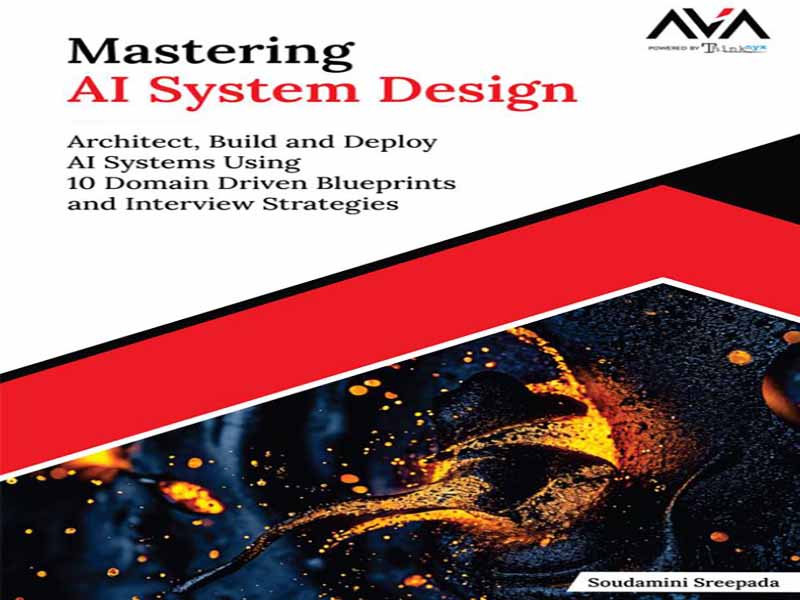
- عنوان کتاب: Mastering AI System Design
- نویسنده: Soudamini Sreepada
- حوزه: سیستم هوش مصنوعی
- سال انتشار: 2025
- تعداد صفحه: 1017
- زبان اصلی: انگلیسی
- نوع فایل: pdf
- حجم فایل: 22.0 مگابایت
این کتاب، راهنمای جامعی برای طراحی، ساخت و استقرار سیستمهای پیشرفته هوش مصنوعی برای کاربردهای دنیای واقعی ارائه میدهد. این کتاب، مفاهیم بنیادی هوش مصنوعی را با پیادهسازی عملی در صنعت پیوند میدهد و همه چیز را از اصول طراحی سیستم و مهندسی سریع برای هوش مصنوعی مولد گرفته تا معماریهای تخصصی مانند تولید افزوده بازیابی (RAG) و ترانسفورماتورهای چندوجهی پوشش میدهد. خوانندگان، راهنمایی عملی در تنظیم دقیق مدلهای زبان بزرگ (LLM)، ساخت مدلهای خاص دامنه و پیادهسازی سیستمهای یادگیری تحت نظارت و بدون نظارت در کاربردهای متنوع مانند امور مالی، تجارت الکترونیک، مراقبتهای بهداشتی و محاسبات لبهای، دریافت میکنند. این کتاب از طریق ترکیبی از بینشهای نظری، گردشهای کاری عملی و مطالعات موردی، خوانندگان را برای مقابله با چالشها در پردازش دادهها، ارزیابی مدل، قابلیت توضیح، هوش مصنوعی اخلاقی و استراتژیهای استقرار مجهز میکند. از موتورهای توصیه و سیستمهای توالی به توالی گرفته تا LLM های سفارشی و هوش مصنوعی چندوجهی، طرحی جامع برای ایجاد راهحلهای هوش مصنوعی مقیاسپذیر، کارآمد و تأثیرگذار در صنایع ارائه میدهد. فصل ۱: مقدمهای بر طراحی سیستم هوش مصنوعی این فصل اصول اساسی را بیان میکند و به چالشهای کلیدی طراحی سیستم هوش مصنوعی میپردازد و به عنوان پلی بین یادگیری دانشگاهی و انتظارات صنعت در دنیای واقعی عمل میکند. این فصل یک چارچوب ساختاریافته را برای کمک به خوانندگان در رویکرد مؤثر و حل مشکلات طراحی سیستم هوش مصنوعی معرفی میکند. فصل ۲: ساخت سیستمهای هوشمند با استفاده از مهندسی سریع این فصل بر پتانسیل دگرگونکننده هوش مصنوعی مولد تمرکز دارد و خوانندگان را از طریق تکنیکها و چارچوبهای محرک مانند Hugging Face و OpenAI APIها راهنمایی میکند. از طریق مطالعات موردی دنیای واقعی، نحوه طراحی سیستمهای هوشمند با استفاده از مدلهای زبانی بزرگ و تجهیز خوانندگان به مهارتهای عملی برای ساخت راهحلهای پیشرفته هوش مصنوعی را نشان میدهد. فصل ۳: توسعه سیستمهای تولید افزوده بازیابی این فصل معماریهای RAG را که بازیابی اطلاعات را با مدلهای مولد ادغام میکنند، رمزگشایی میکند. این فصل راهنماییهای دقیقی در مورد انتخاب پایگاه داده ارائه میدهد، ابزارهایی مانند LangChain و Llama Index را بررسی میکند و در مورد بدهبستانهای استقرار بحث میکند. این مفاهیم از طریق مطالعات موردی و سناریوهای مصاحبه تقویت میشوند و بینشهای عملی در مورد کاربردهای دنیای واقعی به خوانندگان ارائه میدهند. فصل ۴: بهبود سیستمها از طریق تنظیم دقیق LLM این فصل به خوانندگان تجربه عملی در روشهای پیشرفته تنظیم دقیق مانند PEFT، LoRA و تنظیم دستورالعمل را ارائه میدهد. این فصل، این استراتژیهای تنظیم دقیق را به برنامههای کاربردی تجاری دنیای واقعی پیوند میدهد و نحوه تطبیق مدلهای بزرگ برای وظایف تخصصی و سناریوهای استقرار عملی را نشان میدهد. فصل ۵: طراحی سیستمهای پیشبینی ریسک مالی با استفاده از یادگیری نظارتشده این فصل، سفری جامع و از ابتدا تا انتها در طراحی سیستمهای یادگیری ماشین تحت نظارت برای تحلیل ریسک مالی ارائه میدهد. این فصل خوانندگان را در مراحل حیاتی مانند پردازش دادهها، ارزیابی مدل، قابلیت توضیح و ملاحظات حریم خصوصی راهنمایی میکند. این فصل با استراتژیهای استقرار عملی و مطالعات موردی خاص دامنه به پایان میرسد و بینشهای عملی برای برنامههای کاربردی دنیای واقعی ارائه میدهد. فصل ۶: پیادهسازی سیستمهای یادگیری بدون نظارت در این فصل، خوانندگان روشهای یادگیری بدون نظارت، از جمله خوشهبندی و مدلسازی موضوعی را بررسی میکنند. بحث بر استراتژیهای تعبیه، تکنیکهای ارزیابی و کاربردهای عملی CRM برای تقسیمبندی مشتری و بینشهای عملی تأکید دارد. فصل 7: ساخت سیستمهای توصیهگر برای تجارت الکترونیک این فصل، سیر تکامل سیستمهای توصیهگر را دنبال میکند و خوانندگان را از رویکردهای فیلترینگ مشارکتی به مدلهای پیشرفته مبتنی بر گراف هدایت میکند. این فصل تأکید ویژهای بر هوش مصنوعی اخلاقی، قابلیت توضیح، آزمایش و استراتژیهای استقرار مؤثر دارد و دیدگاهی جامع در مورد ساخت موتورهای توصیهگر مدرن ارائه میدهد. فصل 8: ساخت مدلهای طبقهبندی تصویر برای دستگاههای لبه این فصل به خوانندگان میآموزد که چگونه سیستمهای بینایی کامپیوتر بهینه را بهطور خاص برای محیطهای با منابع محدود طراحی کنند. این فصل مباحث ضروری مانند حاشیهنویسی دادهها، معماری مدل، تکنیکهای بهینهسازی و استراتژیهای استقرار برای دستگاههای تلفن همراه و لبه را پوشش میدهد که همگی با مثالهای موردی واقعی نشان داده شدهاند. فصل 9: طراحی سیستمهای توالی به توالی این فصل مدلهای توالی به توالی را بررسی میکند که برنامههای کاربردی مانند ترجمه، خلاصهسازی و تشخیص گفتار را هدایت میکنند. این فصل خوانندگان را از طریق مباحث کلیدی از جمله چالشهای داده، LSTMها، طراحی مبتنی بر ترانسفورماتور و ارزیابی عملکرد راهنمایی میکند که همگی با یک مطالعه موردی خلاصهسازی عملی نشان داده شدهاند. فصل 10: ساخت LLM های خاص دامنه از ابتدا این فصل کاوشی عمیق در ساخت LLM های سفارشی ارائه میدهد و خوانندگان را از طریق گردآوری دادهها، معماری ترانسفورماتور، آموزش توزیعشده و ارزیابی راهنمایی میکند. این فصل یک طرح جامع برای توسعه LLM های تخصصی ارائه میدهد که منحصراً برای برآورده کردن نیازهای صنعت طراحی شدهاند…
This book offers a comprehensive guide to designing, building, and deploying advanced AI systems for real-world applications. It bridges foundational AI concepts with practical industry implementation, covering everything from system design principles and prompt engineering for generative AI to specialized architectures such as Retrieval-Augmented Generation (RAG) and multi-modal transformers. Readers gain hands-on guidance in fine-tuning Large Language Models (LLMs), building domain-specific models, and implementing both supervised and unsupervised learning systems across diverse applications such as finance, e-commerce, healthcare, and edge computing. Through a combination of theoretical insights, practical workflows, and case studies, the book equips readers to handle challenges in data processing, model evaluation, explainability, ethical AI, and deployment strategies. From recommendation engines and sequenceto- sequence systems to custom LLMs and multi-modal AI, it provides a holistic blueprint for creating scalable, efficient, and impactful AI solutions across industries. Chapter 1: Introduction to AI System Design This chapter establishes the essential principles, and addresses the key challenges of AI system design, serving as a bridge between academic learning and real-world industry expectations. It introduces a structured framework to help readers effectively approach and solve AI system design problems. Chapter 2: Crafting Intelligent Systems Using Prompt Engineering This chapter focuses on the transformative potential of Generative AI, guiding readers through prompting techniques and frameworks such as Hugging Face and OpenAI APIs. Through real-world case studies, it demonstrates how to design intelligent systems using large language models, and equipping readers with practical skills for building advanced AI solutions. Chapter 3: Developing Retrieval-Augmented Generation Systems This chapter demystifies RAG architectures that integrate information retrieval with generative models. It provides detailed guidance on database selection, explores toolkits such as LangChain and Llama Index, and discusses deployment trade-offs. The concepts are reinforced through case studies and interview scenarios, offering readers practical insights into real-world applications. Chapter 4: Enhancing Systems Through LLM Finetuning This chapter provides readers with hands-on experience in advanced fine-tuning methods such as PEFT, LoRA, and instruction tuning. It bridges these fine-tuning strategies to real-world business applications, demonstrating how to adapt large models for specialized tasks and practical deployment scenarios. Chapter 5: Designing Financial Risk Prediction Systems Using Supervised Learning This chapter presents a comprehensive, end-to-end journey in designing supervised machine learning systems for financial risk analysis. It guides readers through vital stages such as data processing, model evaluation, explainability, and privacy considerations. The chapter concludes with practical deployment strategies and domainspecific case studies, offering actionable insights for real-world applications. Chapter 6: Implementing Unsupervised Learning Systems In this chapter, readers explore unsupervised learning methods, including clustering and topic modeling. The discussion emphasizes embedding strategies, evaluation techniques, and practical CRM applications for customer segmentation and actionable insights. Chapter 7: Building Recommendation Systems for E-Commerce This chapter traces the evolution of recommendation systems, guiding readers from collaborative filtering approaches to advanced graphbased models. It places special emphasis on ethical AI, explainability, experimentation, and effective deployment strategies, providing a comprehensive perspective on building modern recommendation engines. Chapter 8: Building Image Classification Models for Edge Devices This chapter teaches readers how to design optimized computer vision systems specifically for resource-constrained environments. It covers essential topics such as data annotation, model architecture, optimization techniques, and deployment strategies for mobile and edge devices, all illustrated with real-life case examples. Chapter 9: Designing Sequence-to-Sequence Systems This chapter examines sequence-to-sequence models that drive applications such as translation, summarization, and speech recognition. It guides readers through key topics including data challenges, LSTMs, transformer-based design, and performance evaluation, all illustrated with a practical summarization case study. Chapter 10: Building Domain-Specific LLMs from Scratch This chapter offers an in-depth exploration of building customized LLMs, guiding readers through data curation, transformer architecture, distributed training, and evaluation. It presents a comprehensive blueprint for developing specialized LLMs, exclusively tailored to meet the industry requirements. Chapter 11: Building Multimodal Applications for Healthcare The final chapter delves into multi-modal AI architecture, guiding readers through dataset preparation, architectural alignment, and deployment trade-offs. It culminates with a comprehensive healthcare case study and an interview guide.
این کتاب را میتوانید از لینک زیر بصورت رایگان دانلود کنید:
Download: Mastering AI System Design

























نظرات کاربران