












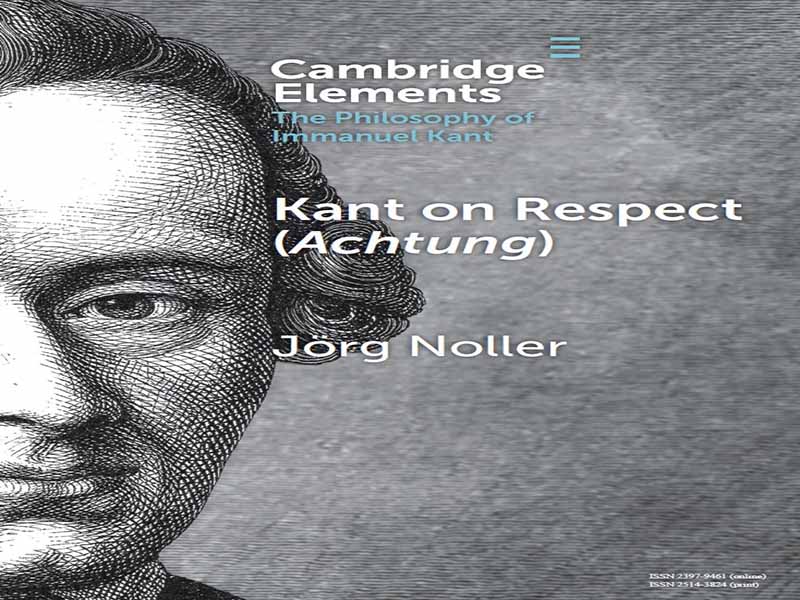
- عنوان کتاب: Kant on Respect
- نویسنده: Jörg Noller
- حوزه: فلسفه کانت
- سال انتشار: 2025
- تعداد صفحه: 82
- زبان اصلی: انگلیسی
- نوع فایل: pdf
- حجم فایل: 3.0 مگابایت
کانت مسئله انگیزه اخلاقی عقلانی را یکی از پرسشهای بزرگ در فلسفه عملی میدانست. کانت در مقدمه نقد عقل عملی خود، این سؤال را مطرح میکند که «آیا عقل محض به خودی خود برای تعیین اراده کافی است یا اینکه میتواند تنها به عنوان امری مشروط به تجربه، زمینهساز اراده باشد» (5:16). کانت در درسگفتارهای اخلاق خود، با صراحت بیشتری به این مسئله اشاره میکند و میگوید: «هیچکس نمیتواند یا هرگز نخواهد فهمید که چگونه فهم باید قدرت انگیزشی داشته باشد؛ مسلماً میتواند قضاوت کند، اما دادن این قدرت قضاوت به گونهای که به انگیزهای تبدیل شود که بتواند اراده را به انجام یک عمل سوق دهد – فهمیدن این موضوع سنگ بنای فلسفه است» (27:1225). مفهوم کانت از احساس اخلاقی احترام یا تکریم (Achtung) برای نظریه انگیزه اخلاقی او از اهمیت ویژهای برخوردار است. همین احساس را میتوان به عنوان «سنگ فیلسوف» که کانت در «درسهای اخلاق» خود به آن اشاره کرده است، درک کرد و آن را «یکی از ارکان نظریه اخلاقی کانت» (DeWitt 2014, 62) و «یکی از بحثبرانگیزترین اصطلاحات در کل فلسفه عملی او» (Berg 2021, 733) توصیف کرد. خود کانت این را «پارادوکس» نامید که «احترام به یک ایده صرف» – یعنی قانون اخلاقی – «هنوز به عنوان یک حکم انعطافناپذیر اراده عمل نمیکند» (4:439). اخیراً، علاقه فزایندهای به برداشت کانت از عواطف و احساسات به طور کلی، و به برداشت کانت از احترام اخلاقی به طور خاص، وجود داشته است. این علاقه ناشی از تنوع نقشهایی است که احترام در آثار فلسفی کانت ایفا میکند. این نه تنها به انگیزه اخلاقی به معنای محدودتر، بلکه به مسئله خودمختاری و آزادی، انتساب اخلاقی و تربیت اخلاقی نیز مربوط میشود. کانت چندین گزاره «بسیار رمزآلود» (Allison 1990, 125)، «معماگونه» و «گیجکننده» (McCarty 1993, 421) درباره جایگاه «یگانه» (sonderbar) و «ویژه» (eigentümlich) (5:76) احترام مطرح کرد و هفت ویژگی زیر را به آن نسبت داد: (۱) منشأ کاملاً عقلانی دارد و بنابراین از احساسات تجربی متمایز است (من از این به عنوان تز عقلانیت یاد خواهم کرد)؛ (۲) به عنوان «یگانه و همچنین انگیزه اخلاقی بیچون و چرا» در نظر گرفته میشود (من از این نکته به عنوان تز یگانهبودگی یاد خواهم کرد)؛ (۳) از نظر محتوای عاطفی خود هم منفی و هم مثبت است (من از این به عنوان تز احساس یاد خواهم کرد)؛ (۴) در احترام احساسی، خود انسان همزمان مقید و آزاد است (من از این به عنوان تز آزادی یاد خواهم کرد)؛ (۵) این «اخلاق است که خود به صورت ذهنی به عنوان یک انگیزه در نظر گرفته میشود» (من به این عنوان تز ذهنیتگرایی اشاره خواهم کرد)؛ (۶) این در درجه اول به یک شیء غیرتجربی، یک «قانون» انتزاعی اشاره دارد و نه به افراد انسانی (من به این عنوان تز قصدگرایی اشاره خواهم کرد)؛ (۷) این یک وظیفه اخلاقی نیست، بلکه «مبنا» (Grund) برای وظایف اخلاقی است و ما وظیفه داریم آن را پرورش دهیم و به دیگران نشان دهیم (من به این عنوان تز هنجارگرایی اشاره خواهم کرد).
Kant considered the problem of rational moral motivation as one of the great questions in practical philosophy. In the introduction to his Critique of Practical Reason, Kant raises the question of “whether pure reason of itself alone suffices to determine the will or whether it can be a determining ground of the will only as empirically conditioned” (5:16). In his Lectures on Ethics, Kant refers to this problem even more explicitly, stating that “[n]obody can or ever will comprehend how the understanding should have a motivating power; it can admittedly judge, but to give this judgement power so that it becomes a motive able to impel the will to performance of an action – to understand this is the philosophers’ stone” (27:1225). Of special importance for his theory of rational moral motivation is Kant’s conception of the moral feeling of respect or reverence (Achtung). This very feeling can be understood as the “philosopher’s stone” that Kant referred to in his Lectures on Ethics, and it has been described as “one of the linchpins of Kant’s moral theory” (DeWitt 2014, 62) and “one of the most controversial terms in his entire practical philosophy” (Berg 2021, 733). Kant himself called it a “paradox” that “respect for a mere idea” – namely the moral law – “is yet to serve as an inflexible precept of the will” (4:439). Recently, there has been growing interest in Kant’s conception of emotions and feelings in general, and in Kant’s conception of moral respect in particular. This interest is motivated by the variety of roles that respect plays in Kant’s philosophical work. It not only concerns moral motivation in the narrower sense but also the question of autonomy and freedom, of moral imputability, and of moral education. Kant made several “extremely cryptic” (Allison 1990, 125), “enigmatic,” and “puzzling” (McCarty 1993, 421) statements about the “singular” (sonderbar) and “peculiar” (eigentümlich) (5:76) status of respect, attributing the following seven characteristics to it: (i) it has a purely rational origin, and it is therefore distinguished from empirical feelings (I shall refer to this as the Rationality Thesis); (ii) it is considered as “the sole and also the undoubted moral incentive” (I shall refer to this point as the Singularity Thesis); (iii) it is both negative and positive with regard to its emotional content (I shall refer to this as the Emotion Thesis); (iv) in feeling respect, the human self is at the same time bound and free (I shall refer to this as the Freedom Thesis); (v) it is “morality itself subjectively considered as an incentive” (I shall refer to this as the Subjectivity Thesis); (vi) it primarily refers to a nonempirical object, an abstract “law,” and not to individual human persons (I shall refer to this as the Intentionality Thesis); (vii) it is not a moral duty but the “basis” (Grund) for moral duties, and we have the duty to cultivate it and show it to other persons (I shall refer to this as the Normativity Thesis).
این کتاب را میتوانید از لینک زیر بصورت رایگان دانلود کنید:
Download: Kant on Respect


























نظرات کاربران