







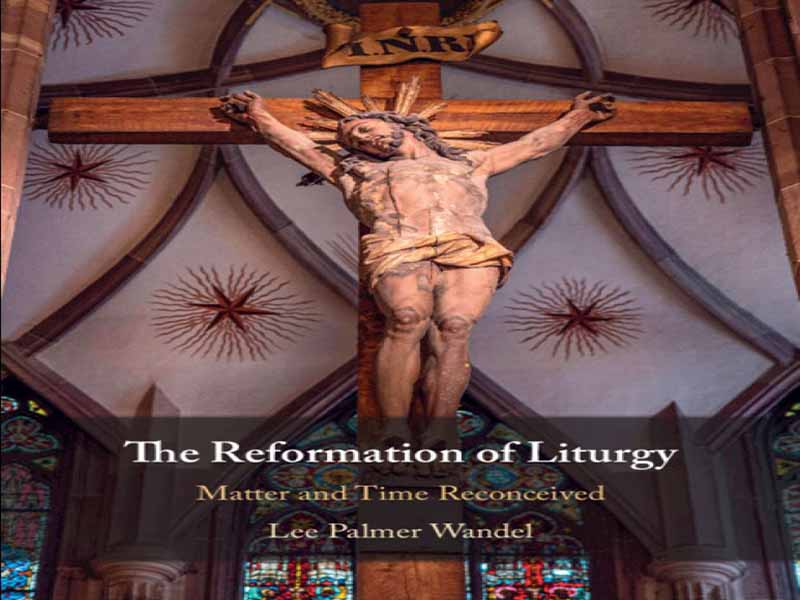
- عنوان کتاب: The Reformation of Liturgy Matter and Time Reconceived
- نویسنده: Lee Palmer Wandel
- حوزه: مسیحیت
- سال انتشار: 2026
- تعداد صفحه: 291
- زبان اصلی: انگلیسی
- نوع فایل: pdf
- حجم فایل: 13.6 مگابایت
چرا اروپاییهای قرن شانزدهم حاضر بودند جان خود را برای حمله به «ماده صرف» – تصاویر، چراغها، محرابها، لباسهای مذهبی – به خطر بیندازند؟ تأثیرگذارترین تفسیر مذهبی قرون وسطایی، کتاب «منطق الهی رسمی» نوشته ویلیام دوران، پاسخی ارائه میدهد. این کتاب با خواندن آثار دوران برای کاوش در معنای کلیساها، محرابها و لباسهای مذهبی، دامنه خیرهکننده مفهومسازی مجدد اصلاحات از عبادت، زمان و ماده را آشکار میکند. از نظر دوران، مراسم مذهبی یک عمل مداوم بود که در آن کتاب مقدس و خلقت در گفتگوی مداوم بودند و منجر به درک غنیتری از وحی الهی میشد. پروتستانها با حمله به جهان ساخته شده – آنچه انسانها از ماده اولیه ساخته بودند – خلقت را از مراسم مذهبی جدا کردند و اساساً نحوه درک مراسم مذهبی و آنچه پروتستانها و کاتولیکها رابطه بین وحی الهی و ماده را در نظر داشتند، تغییر دادند. محرابها و لباسهای مذهبی به «اشیایی» تبدیل شدند که انسانها به آنها معنا میبخشیدند. همانطور که قرن شانزدهم مراسم مذهبی را به عنوان یک عمل کلامی دوباره تعریف کرد، زمان، ماده و عبادت دوباره در یک راستا قرار گرفتند. لی پالمر واندل، استاد تاریخ دانشگاه ویسکانسین – مدیسون و عضو کالج سلطنتی تاریخ و عضو انجمن تاریخ و فرهنگ (WARF) مایکل بکسندال و لیندا و استنلی شر است. او نویسندهی کتابهای «همیشه در میان ما: تصاویر فقرا در زوریخِ زوینگلی» (۱۹۹۰)، «بتهای حریص و دستهای خشن: شمایلشکنی در اصلاحات زوریخ، استراسبورگ و بازل» (۱۹۹۵)، «عشای ربانی در اصلاحات: تجسم و مراسم مذهبی» (۲۰۰۶) و «اصلاحات: به سوی تاریخی جدید» (۲۰۱۱) است. این کتاب مدتهاست که در دست نگارش است و وامهای زیادی به آن دارد. ریشهی این کتاب به سوالی برمیگردد که بیش از چهل سال پیش در کافهای در توبینگن مطرح شد، زمانی که باب اسکریبنر برای اولین بار توجه مرا به اعمالی جلب کرد که قبلاً برچسب شمایلشکنی خورده بودند، اما همانطور که متوجه شدم، با این نام همخوانی نداشتند. در دوران تحصیل در ییل، جان باسول و یاروسلاو پلیکان به من آموختند که در مورد مسیحیت بسیار غنیتر فکر کنم؛ درک جاری از سنت به عنوان امری چندصدایی، این صفحات را شکل میدهد. هانس-کریستوف روبلک مرا به حومههای سوابیا و سپس هسی برد و صومعهها، کلیساهای زیارتی، و اسقفنشینها را که هر کدام تاریخ متمایز خود را داشتند، به من نشان داد. با رولف کیسلینگ، شریک گفتگویی پیدا کردم – در میان بسیاری از جذابیتهای مشترکمان – برای در نظر گرفتن هر کلیسا به عنوان مکان، و سخاوتی بینظیر، برای نشان دادن گنجینههایی مانند پروکولوس در ناتورنو و زیارتگاه ماریا بیرنباوم. کریستا کیسلینگ بیش از هر کتابی در مورد زندگی مسیحیت به من آموخت. همه در این صفحات هستند. یادداشتها تنها ردی از آنچه پل گل و رابرت اورسی به این کتاب بخشیدهاند، ارائه میدهند. باب، طبق معمول، خوانشهای بسیار حساسی از فصلها ارائه داد و سوالات متنوعی را مطرح کرد که تفکر مرا به پیش برد. من به خاطر تخصصش در کتابها به پل مراجعه کردم و خوانندهای فوقالعاده – دانشمند، توجه، سخاوتمند و دلگرمکننده – و همانطور که انتظار میرفت، دانش عمیقی از مراسم مذهبی یافتم. این کتاب برای مطالعه و سوالات آنها بسیار بهتر است. در سال ۲۰۱۷، من اولین استاد تاریخ لیندا و استنلی شر در دانشگاه ویسکانسین-مدیسون شدم. هدیه خارقالعاده شرها به من این امکان را داد که از آثار مادی دنیای ساخته شده دوراند در آویلا و تولدو، راونا و سنت آپولینار در کلاس، بروکسل و تورنه، اورتیگیا و استراسبورگ دیدن کنم. استن و لیندا با هم دوست شدند، در طول شامها و حس مشترکی از شیفتگی به جهان گستردهتر. همانطور که من شروع به نوشتن کتاب کردم، آنها نوع دیگری از حمایت را به من دادند، که به همان اندازه ضروری بود: استن تمام فصلها را خواند و افکار خود را به عنوان یک فرد خارجی در این زمینه ارائه داد. این نظرات به من کمک کرد تا مرز گریزان بین دانش تخصصی و باطنیگرایی را بهتر، هرچند نه کاملاً، پیدا کنم. اگر شرها به من این امکان را دادند که از آثار دنیای ساخته شده مسیحیت قرون وسطایی دیدن کنم، کتابخانهها به من دسترسی به منابع چاپی و گنجینهای از ادبیات ثانویه را دادند. کتابخانه ایالتی و ایالتی آگسبورگ مدتهاست که خانه تحقیقاتی من بوده است و من توانستم نسخههایی از منطق، مجموعههای کوچک و جزوات قرن شانزدهم را در مجموعههای غنی آنها مطالعه کنم. بنابراین، من از کتابخانه نیوبری نیز سپاسگزارم که مجموعهای شگفتانگیز از مجموعههای کوچک اواخر قرون وسطی را در خود جای داده است. همانطور که در تصاویر مشخص است، من همچنین از کتابخانه ایالتی بایریشه سپاسگزارم که مجموعه دیجیتالی آن تحقیقات مداوم را در طول کووید ممکن ساخت. من مدیون کارکنان امانت و امانت بین کتابخانهای کتابخانه یادبود هستم؛ آنها دهها درخواست را پیگیری و تحویل دادند. کتابخانه سلطنتی دانمارک و همچنین کتابخانه دانشگاه کپنهاگ این امکان را برای یک محقق خارجی در اوج کووید فراهم کردند تا آثار مهم و همچنین نادر را پیدا کند. غنای موسسه تاریخ هنر فلورنز به ویژه در بخش دوم کتاب مشهود بود. از نلسون مینیچ و مایکل روت از دانشگاه کاتولیک آمریکا، ویم فرانسوا و پیتر دِ می از دانشگاه لوون، و سابین اولمان از دانشگاه آیشتات که دعوتشان باعث شد دوباره به موعظه لوتر در مورد عشای ربانی برگردم، سپاسگزارم.
Why were sixteenth-century Europeans willing to risk their lives to attack “mere matter” – images, lamps, altars, vestments? The most influential medieval liturgical commentary, William Durand’s Rationale divinorum officiorum, offers an answer. Reading Durand to excavate the meaning of churches, altars, and vestments, this book reveals the stunning scope of the Reformation reconceptualization of worship, time, and matter. For Durand, liturgy was an ongoing praxis in which Scripture and Creation were in constant dialogue, leading to an ever richer understanding of divine revelation. In attacking the made world – what human beings had fashioned from prime matter – Protestants sundered Creation from the liturgy, fundamentally changing how liturgy was understood, and what both Protestants and Catholics held the relationship between divine revelation and matter to be. Altars and vestments became “objects” to which human beings gave meaning. As the sixteenth century redefined liturgy as a verbal practice, time, matter, and worship were realigned. Lee Palmer Wandel is the WARF Michael Baxandall and Linda and Stanley Sher Professor of History at the University of Wisconsin – Madison. She is the author of Always Among Us: Images of the Poor in Zwingli’s Zurich (1990), Voracious Idols and Violent Hands: Iconoclasm in Reformation Zurich, Strasbourg, and Basel (1995), The Eucharist in the Reformation: Incarnation and Liturgy (2006), and The Reformation: Towards a New History (2011). This book has been long in the making and its debts are many. It has its origin in a question posed in a cafe in Tübingen now more than forty years ago, when Bob Scribner first called my attention to acts that had been labeled iconoclastic, but, as I came to realize, did not fit that name. While I was at Yale, John Boswell and Jaroslav Pelikan taught me to think far more richly about Christianity; Jary’s understanding of traditio as multivocal informs these pages. Hans-Christoph Rublack drove me into the Swabian and then Hessian countrysides, showing me cloisters, pilgrimage churches, episcopal sees, each with its own distinctive history. With Rolf Kiessling, I found a conversation partner – among so many of our shared fascinations – for the consideration of each church as place, and a singular generosity, to show me such treasures as Proculus in Naturno and the Maria Birnbaum shrine. Christa Kiessling taught me more about the living of Christianity than any book. All are in these pages. The notes offer but a trace of what Paul Gehl and Robert Orsi have given to this book. As is his wont, Bob offered acutely sensitive readings of the chapters, posing protean questions that carried my thinking forward. I turned to Paul for his expertise in books and discovered a wonderful reader – learned, attentive, generous, and encouraging – and, unsurprisingly, a deep knowledge of liturgy. This book is so very much better for their readings and their questions. In 2017, I became the inaugural Linda and Stanley Sher Professor of History at the University of Wisconsin – Madison. The Shers’ extraordinary gift enabled me to visit material traces of Durand’s made world in Ávila and Toledo, Ravenna and Sant’Apollinare in Classe, Brussels and Tournai, Ortygia, Strasbourg. Stan and Linda became friends, over dinners and a shared sense of enchantment with the wider world. As I came to write the book, they gave me another kind of support, no less essential: Stan read all the chapters, offering his thoughts as an outsider to the field. Those comments helped me to navigate better, albeit not perfectly, the elusive boundary between specialized knowledge and esoterism. If the Shers enabled me to visit traces of the made world of medieval Christianity, libraries gave me access to printed sources and a wealth of secondary literature. The Staats- und Stadtbibliothek Augsburg has long been my research home, and I was able to study editions of the Rationale, missals, and sixteenth-century pamphlets in their rich collections. So, too, I am grateful to the Newberry Library, which has an astonishing array of late medieval missals. As the image credits make clear, I am also grateful to the Bayerische Staatsbibliothek, whose digital collection made possible ongoing research during Covid. My debt to the Interlibrary Loan and Circulation staffs of Memorial Library is immeasurable; they tracked down and delivered dozens upon dozens of requests. The Royal Danish Library as well as the library of the University of Copenhagen made it possible for a foreign scholar at the height of Covid to find critical and also rare works. The riches of the Kunsthistorisches Institut Florenz inform in particular the second part of the book. I am grateful to Nelson Minnich and Michael Root of the Catholic University of America, Wim François and Peter De Mey of the University of Leuven, and Sabine Ullmann of the Universität Eichstätt whose invitations led me to return to Luther’s Sermon on the Mass, that is, the New Testament and to read it with eyes more informed. I am grateful as well for the discussions, which led me, inter alia, to attend more to allegory. Mette Birkedal Bruun and the vibrant community of scholars she has built at the Danish National Research Foundation Centre for Privacy Studies at the University of Copenhagen (DRNF138) helped me to think about ecclesia, altars, and missals while I was a Visiting Professor there in fall 2020. It is also a pleasure to thank Maj Riis Poulsen in print for all that she has done, from arranging for access to the Royal Danish Library to bringing me food when I was isolated with Covid. Nina Koefoed and Bo Kristian Holm first brought me to Aarhus University to hold a LUMEN workshop on the matter of the liturgy, which was enormously helpful to my thinking. They also invited me to talk about the Reformation of time in their RefoRC Conference on Reformation and everyday life, which came to inform how Chapter 7 treats time. It was a great pleasure to work with Walter Melion again, as well as with Elizabeth Pastan, on the conference that allowed me to present early work on vestments. Additional support for this book, in the form of a subvention for the publication of images, was provided by the University of Wisconsin – Madison Office of the Vice Chancellor for Research with Funding from the Wisconsin Alumni Research Foundation. It has been such a great pleasure working with Beatrice Rehl again. I am especially grateful to her for helping me to navigate the ever-changing world of publishing, not least choosing the image for the cover of this book. More than any other person, Thomas Max Safley has accompanied me in my quest to understand. He has visited so many churches that he has posited Heinzelmännchen, carting the same church from one town to the next. He has read and he has listened. This book is for him.
این کتاب را میتوانید از لینک زیر بصورت رایگان دانلود کنید:
Download: The Reformation of Liturgy Matter and Time Reconceived



















نظرات کاربران