











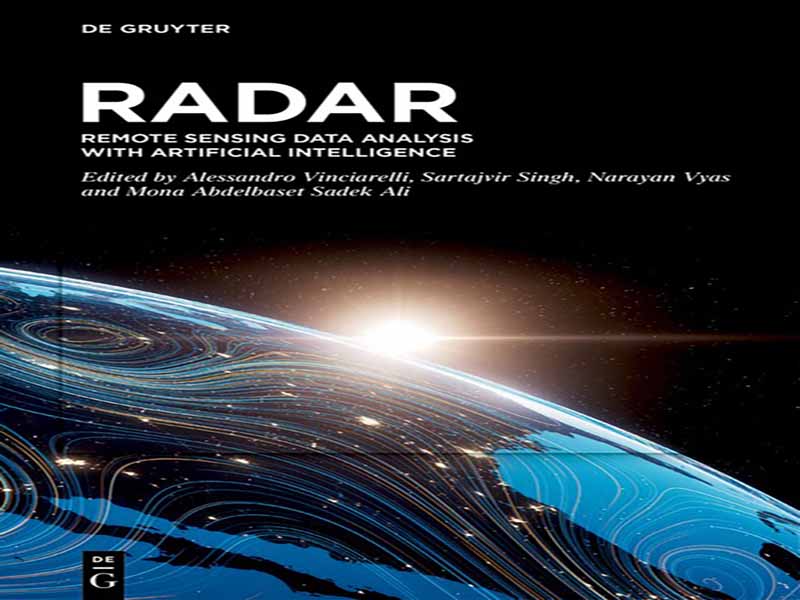
- عنوان کتاب: RADAR -Remote Sensing Data Analysis with Artificial Intelligence
- نویسنده: Alessandro Vinciarelli, Sartajvir Singh
- حوزه: رادار
- سال انتشار: 2025
- تعداد صفحه: 258
- زبان اصلی: انگلیسی
- نوع فایل: pdf
- حجم فایل: 4.28 مگابایت
در فناوریهای مدرن، ترکیب سنجش از دور با هوش مصنوعی (AI) نقش مهمی در مشاهدات زمین ایفا میکند. تشخیص و فاصلهیابی رادیویی (RADAR) یک فناوری بینظیر است که امکان خدمات سنجش از دور در همه شرایط آب و هوایی را فراهم میکند. با این تمرکز، این کتاب به بررسی کاربردهای بالقوه و الگوریتمهای پیشرفته سنجش از دور مبتنی بر رادار میپردازد. این کتاب محققان، دانشمندان، معلمان و دانشجویان را در نظارت و مدیریت منابع زمین راهنمایی میکند. این کتاب چند رشتهای، پیشرفتها و کاربردهای اخیر سنجش از دور مبتنی بر رادار مبتنی بر هوش مصنوعی را بررسی میکند. فصل مقدماتی به طور جامع اصول و علم بنیادی سنجش از دور مبتنی بر رادار را پوشش میدهد. همچنین شامل اصول جمعآوری، تجزیه و تحلیل و تفسیر تصاویر سنجش از دور است. پس از این فصل، تکامل سنجش از دور مبتنی بر رادار، یعنی رادار روزنه مصنوعی (SAR) و پراکندگیسنجی، بررسی میشود. این فصل همچنین کاربردهای بالقوه سنجش از دور مایکروویو فعال و غیرفعال را با ادغام هوش مصنوعی برجسته میکند. سپس، چالشهای مختلف مرتبط با سنجش از دور رادار مبتنی بر هوش مصنوعی مطرح میشود. این کتاب همچنین تکنیکهای ترکیب دادههای چندمنبعی را برای بهبود تفسیر تصویر و ادغام ویژگیهای SAR/پراکنشسنج با مجموعه دادههای نوری برای بهبود دقت بررسی میکند. همچنین شامل کاربردهای طبقهبندی و تشخیص تغییر در استخراج اطلاعات ضروری است. علاوه بر این، رویکردهای یادگیری عمیق و یادگیری ماشین، دامنه کاربرد سنجش از دور مبتنی بر رادار را با ارائه تشخیص در سطح شیء و حل مسائل پیچیده گسترش میدهند. همچنین نقش اینترنت اشیا (IoT) در سنجش از دور برای جمعآوری و تجزیه و تحلیل دادههای بلادرنگ را بررسی میکند. این کتاب شامل حسگرهای مختلف نظارت بر محیط زیست برای نظارت دقیق و تجزیه و تحلیل پیشبینی است. با مشارکت هوش مصنوعی، کاربردهای نوظهور سنجش از دور مبتنی بر رادار نیز مورد بحث قرار گرفته است، مانند نظارت بر رشد محصول، مدیریت علفهای هرز، تخمین عملکرد، نظارت بلادرنگ بر رطوبت خاک، طبقهبندی گونههای زراعی و الگوهای آب و هوایی. این کتاب همچنین نظارت بر زیرساختهای شهری و تأثیر آن بر زمینهای کشاورزی را برجسته میکند. علاوه بر این، مدیریت بلایا را از طریق نظارت مداوم بر رطوبت خاک با سنجش از دور مبتنی بر رادار نیز پوشش میدهد. این کتاب نتیجه میگیرد که کاربردهای نوظهور رادار مبتنی بر هوش مصنوعی در سناریوهای بلادرنگ، دامنه آینده سنجش از دور رادار با هوش مصنوعی را فراهم میکند. این کتاب مرجعی برای محققان، دانشمندان، دانشجویان و ذینفعان است تا پتانسیل کاربردهای رادار مبتنی بر هوش مصنوعی را در سناریوهای بلادرنگ بررسی کنند. این کتاب با مطالعات موردی در دنیای واقعی، بینشهایی در مورد نقشهبرداری از محصولات مختلف، آبیاری هوشمند، کنترل آفات و تجزیه و تحلیل پیشبینی عملکرد محصول ارائه میدهد. علاوه بر این، دانش جامعی از سنجش از دور مبتنی بر رادار در بهبود شیوههای کشاورزی دقیق ارائه میدهد.
In modern technologies, incorporating remote sensing with artificial intelligence (AI) plays a significant role in Earth observations. Radio detection and ranging (RADAR) is a one-of-a-kind technology that allows all-weather remote sensing services. With this focus, this book explores the potential applications and advanced algorithms of RADAR-based remote sensing. This book guides researchers, scientists, teachers, and students in monitoring and managing Earth’s resources. This multidisciplinary book explores the recent advancements and applications of AI-driven RADAR-based remote sensing. The introductory chapter comprehensively covers the fundamental principles and science of RADAR-based remote sensing. It also includes the fundamentals of collecting, analyzing, and interpreting remotely sensed images. This chapter is followed by the evolution of RADAR-based remote sensing, that is, synthetic aperture radar (SAR) and scatterometry. It further highlights the potential applications of active and passive microwave remote sensing with the integration of AI. Then, it is followed by various challenges associated with AI-driven RADAR remote sensing. This book also explores multisource data fusion techniques to enhance image interpretation and to integrate the features of the SAR/scatterometer with the optical dataset for improvement in accuracy. It also involves classification and change detection applications in extracting essential information. Furthermore, deep learning and machine learning approaches expand the applicability range of RADAR-based remote sensing by providing object-level detection and solving complex problems. It also explores the role of the Internet of things (IoT) in remote sensing for real-time data collection and analysis. The book comprises various environmental monitoring sensors for accurate monitoring and prediction analysis. With the involvement of AI, emerging applications of RADAR-based remote sensing are also discussed, such as crop growth monitoring, weed management, yield estimation, real-time monitoring of soil moisture, classification of crop species, and weather patterns. This book also highlights the monitoring of urban infrastructure and its impact on agricultural land. Moreover, it also covers disaster management via continuous soil moisture monitoring with RADAR-based remote sensing. The book concludes that emerging AI-enabled RADAR applications in real-time scenarios provide the future scope of RADAR remote sensing with AI. This book is a reference to researchers, scientists, students, and stakeholders to explore the potential of AI-enabled RADAR applications in real-time scenarios. With real-world case studies, it offers insights into mapping different crops, smart irrigation, pest control, and crop yield prediction analysis. Moreover, it delivers comprehensive knowledge of RADAR-based remote sensing in improving precision agricultural practices.






















نظرات کاربران